- SPECIALIST ORTHOPAEDIC SURGEON | MELBOURNE, VIC | ALBURY, NSW | MORNINGTON, VIC |
- 03 9421 6133
- Melbourne & Mornington VIC |
- Albury, NSW
The rotator cuff is a group of four muscles and tendons that surround the shoulder joint. Together, they play a critical role in stabilising the shoulder and allowing smooth, controlled movements like lifting, reaching, and rotating the arm. A rotator cuff tear occurs when one or more of these tendons are partially or completely torn away from the bone, usually due to injury, overuse, or degeneration over time.
Rotator cuff tears are a common cause of shoulder pain and dysfunction, especially in people over 40 or those involved in repetitive overhead activities. Tears can be acute, resulting from trauma such as a fall, or chronic, developing gradually due to age-related tendon wear.
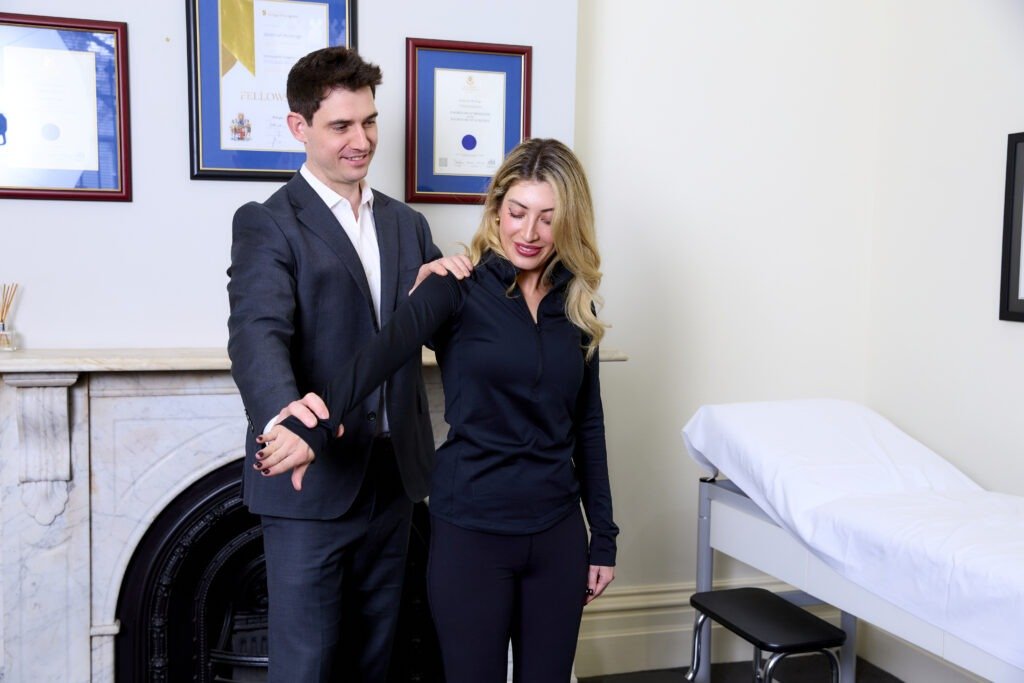
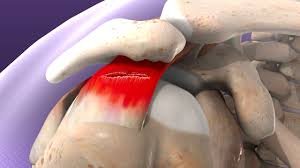
The rotator cuff is a group of four muscles and tendons that stabilise your shoulder joint and allow you to lift, rotate, and control arm movements. These muscles originate from the shoulder blade and insert into the top of the humerus (upper arm bone), forming a cuff around the joint.
A rotator cuff tear occurs when one or more of these tendons becomes damaged or detached from the bone. Tears can be partial (where the tendon is frayed or damaged) or full-thickness (where the tendon is completely torn away). These injuries can result from acute trauma (such as a fall or lifting injury) or develop gradually due to age-related degeneration and wear-and-tear.
If surgery is recommended, Dr Jason Hockings typically performs an arthroscopic rotator cuff repair. This is a minimally invasive procedure that uses small incisions and a camera-guided instrument (arthroscope) to access and repair the damaged tendon. The torn tendon is cleaned, stitched, and anchored back to the bone using tiny implants known as suture anchors. This technique is designed to preserve the surrounding tissue and generally results in less post-operative discomfort and a faster recovery than traditional open surgery.
In some cases, additional procedures may be carried out during the same operation to improve shoulder function, such as relieving impingement by removing bone spurs (subacromial decompression), or addressing issues with the biceps tendon. Surgery is usually performed as a day procedure under general anaesthetic, and your recovery will be supported by a carefully structured physiotherapy program to restore movement, strength, and shoulder stability over time.
Whether your tear is best treated with physiotherapy or requires surgical repair, Dr Hockings is committed to helping you regain shoulder strength, mobility, and confidence.
If you’re experiencing ongoing pain, stiffness, or reduced movement that is affecting your daily activities or quality of life, a thorough orthopaedic assessment can help determine the cause and guide the most appropriate treatment options for your situation.