- SPECIALIST ORTHOPAEDIC SURGEON | MELBOURNE, VIC | ALBURY, NSW | MORNINGTON, VIC |
- 03 9421 6133
- Melbourne & Mornington VIC |
- Albury, NSW
ACL reconstruction is a common surgical procedure performed by Dr Hockings to restore stability and function to the knee following a tear of the anterior cruciate ligament (ACL). The ACL is a vital structure that helps stabilise your knee during movements such as pivoting, twisting, and sudden changes in direction. When it is torn, the knee can feel unstable, painful, or prone to giving way, especially during sports or physically demanding activities.
ACL injuries are particularly common among athletes, but they can occur during everyday accidents such as awkward falls or quick directional shifts. For many active people, an ACL tear can interfere with work, exercise, or sporting goals. If you’re experiencing knee instability, persistent swelling, or reduced confidence in your movement, ACL reconstruction may be recommended to help restore function and protect your joint.
Return to contact or pivoting sports is usually considered after 9 to 12 months, once strength, coordination, and confidence are fully restored.
Dr Hockings will explain all risks and expected outcomes during your pre-operative consultation, and steps are taken at each stage to support a safe recovery.
Dr Hockings will conduct a thorough assessment, including a review of your MRI, clinical examination, and discussion of your lifestyle goals, to help determine the most appropriate treatment pathway.
Dr Jason Hockings has extensive experience managing ACL injuries, including first-time tears, complex ligament injuries, and revision procedures. He works closely with physiotherapists, sports doctors, and rehabilitation teams to deliver a well-structured plan tailored to your recovery.
If you’ve sustained an ACL injury or are struggling with knee instability, a consultation with Dr Hockings can help clarify your options and provide expert guidance on the path to recovery.
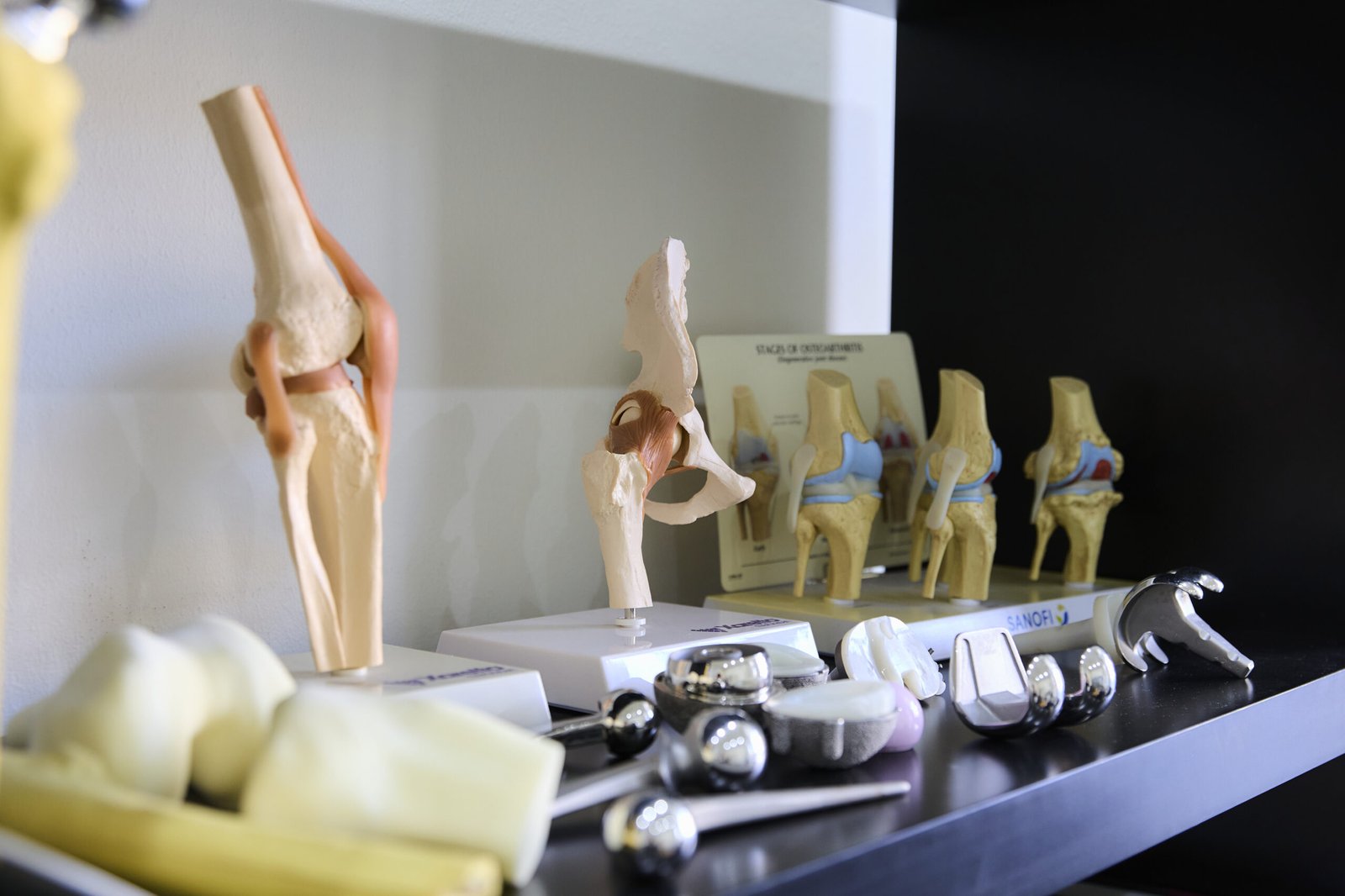
If you’re experiencing ongoing pain, stiffness, or reduced movement that is affecting your daily activities or quality of life, a thorough orthopaedic assessment can help determine the cause and guide the most appropriate treatment options for your situation.