- SPECIALIST ORTHOPAEDIC SURGEON | MELBOURNE, VIC | ALBURY, NSW | MORNINGTON, VIC |
- 03 9421 6133
- Melbourne & Mornington VIC |
- Albury, NSW
Femoroacetabular impingement (FAI) is a condition that occurs when abnormal contact between the bones of your hip joint leads to pain, stiffness, or limited range of motion. In a healthy hip, the ball (femoral head) moves smoothly within the socket (acetabulum). With FAI, the shape of either the ball or socket or, both is altered, causing the bones to rub against each other during movement. Over time, this repeated contact can damage the cartilage and labrum, increasing the risk of hip osteoarthritis if left untreated. FAI often affects young and active individuals, including athletes, but it can also occur in people with no history of sports participation. If you’re experiencing hip or groin pain, particularly when sitting for long periods or during hip flexion movements (such as squatting or twisting), a thorough orthopaedic assessment can help determine whether FAI is the cause.
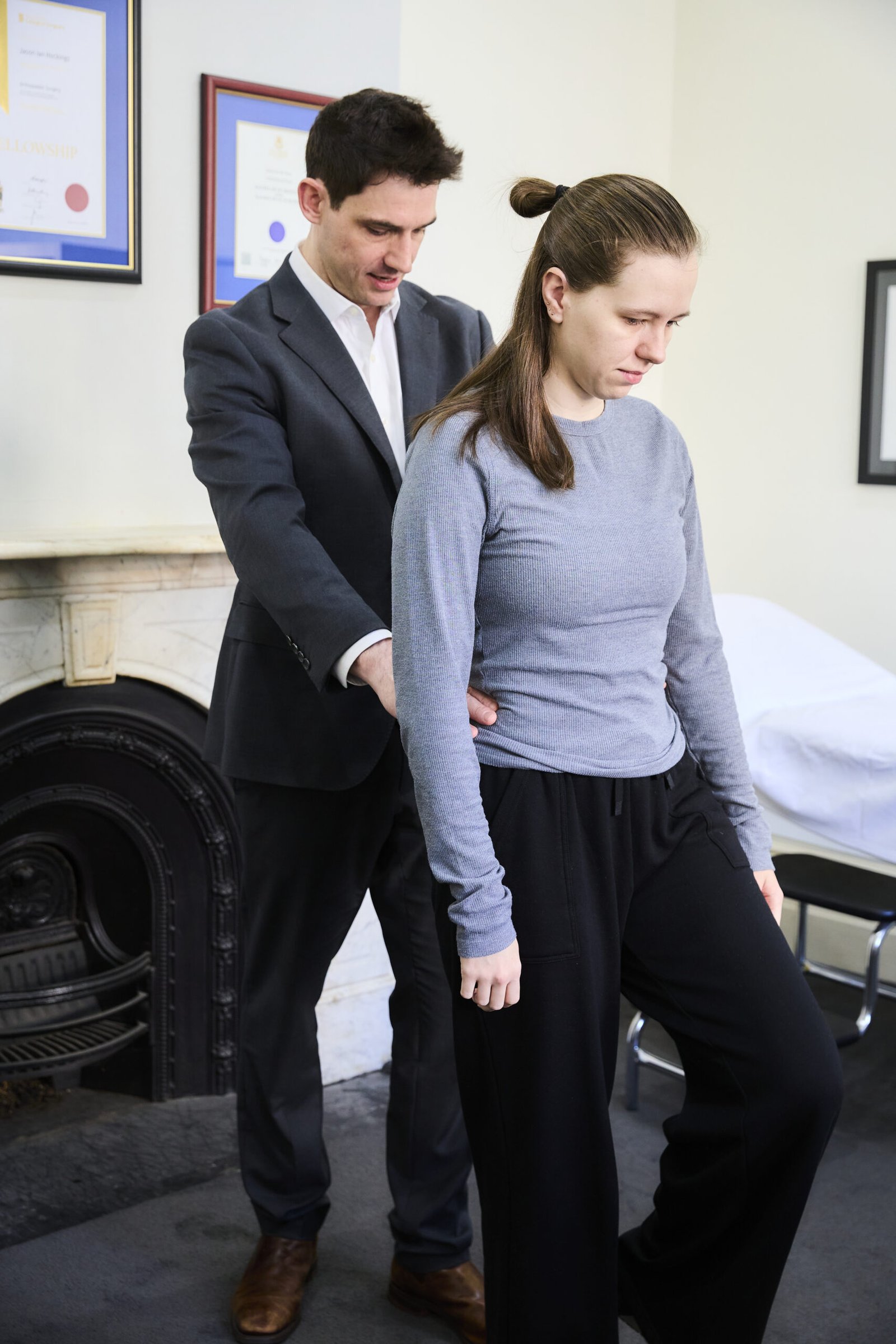
On this page, you’ll find clear, information about the causes, symptoms, diagnosis, and management options for femoroacetabular impingement, including non-surgical treatments and surgical procedures like hip arthroscopy if required.
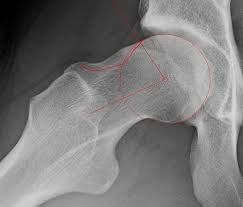
Femoroacetabular impingement (FAI), commonly referred to as hip impingement, is a condition where abnormal contact occurs between the ball (femoral head) and socket (acetabulum) of the hip joint. This contact can damage the cartilage and labrum over time, leading to pain, stiffness, and reduced movement.
FAI most often affects young to middle-aged adults and may develop gradually or following repetitive hip movements, particularly in sports such as football, dance, hockey, and martial arts.

Hip arthroscopy is the most common surgical treatment for femoroacetabular impingement. This minimally invasive procedure involves inserting a small camera (arthroscope) and specialised instruments through tiny incisions to address the structural abnormalities within the joint.
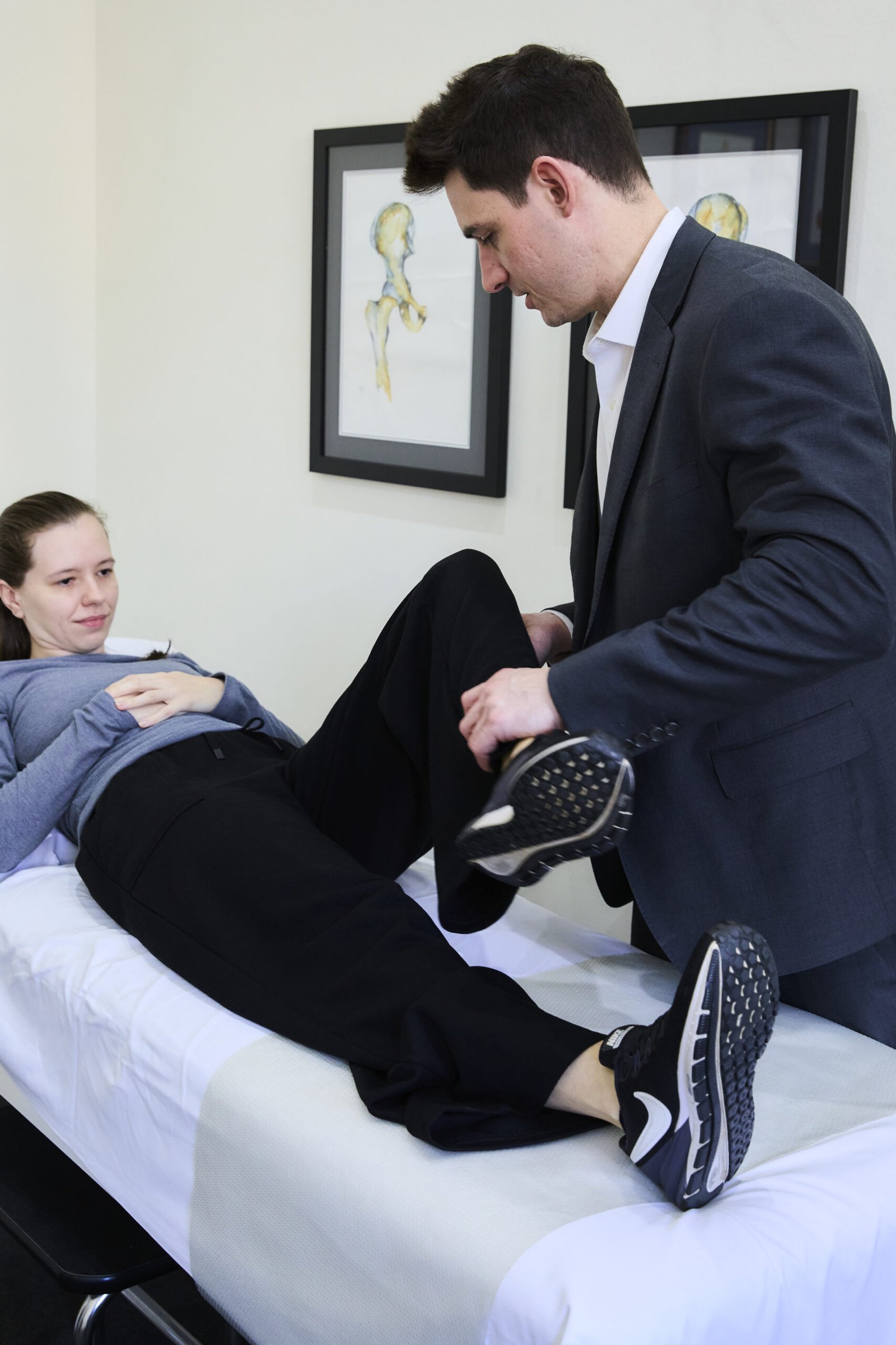
If you’re experiencing ongoing pain, stiffness, or reduced movement that is affecting your daily activities or quality of life, a thorough orthopaedic assessment can help determine the cause and guide the most appropriate treatment options for your situation.