
Hip Osteoarthritis
Understanding the wear-and-tear changes that can affect your hip joint over time
Hip osteoarthritis is a common condition that occurs when the protective cartilage covering the surfaces of the hip joint gradually wears away. As the cartilage thins and becomes rough, the bones of the hip joint may begin to rub against each other, leading to pain, stiffness, reduced range of motion, and difficulty with everyday activities such as walking, standing, or putting on shoes.
This condition often develops slowly over time and is most common in people over the age of 50, though it can also affect younger individuals, especially if there’s a history of hip injury, structural abnormalities, or increased joint stress from work or sport.

Hip osteoarthritis may start with mild discomfort but can progress to more persistent pain and functional limitations that interfere with your quality of life. While there is no cure for osteoarthritis, a range of non-surgical and surgical treatment options may help relieve symptoms, improve mobility, and support long-term joint health.
This page provides practical, information to help you understand what hip osteoarthritis is, how it’s diagnosed, and what treatment pathways may be available depending on the severity of your condition.
What is Hip Osteoarthritis?
Hip osteoarthritis is a common condition that occurs when the protective cartilage that lines the surfaces of the hip joint begins to wear down over time. This cartilage normally allows smooth, pain-free movement. As it gradually breaks down, the bones in the joint may rub against each other, leading to pain, stiffness, inflammation, and reduced mobility.
Osteoarthritis of the hip tends to develop slowly and can affect one or both hips. While it is more common in people over the age of 50, it can also occur in younger individuals, particularly if there has been previous injury, joint abnormality, or a family history of arthritis.
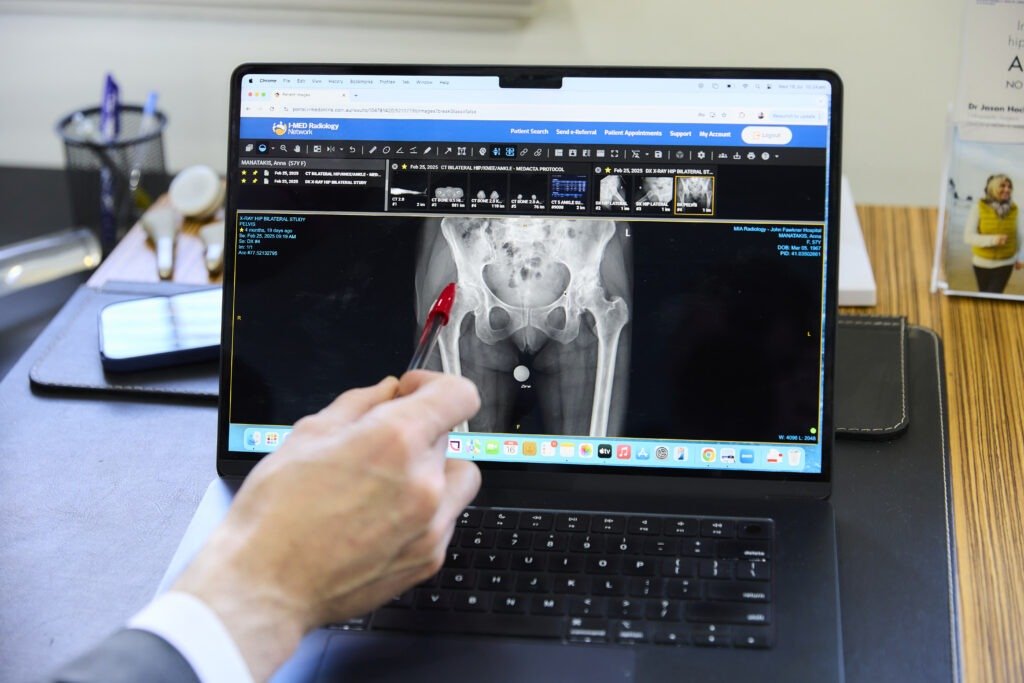
Common Symptoms of Hip Osteoarthritis
- Pain in the hip joint, groin, buttock, or thigh
- Stiffness, especially after periods of rest or first thing in the morning
- Difficulty walking, bending, or getting up from a chair
- Reduced range of motion
- A feeling of grinding, catching, or clicking in the hip
- Limping or favouring one side when walking
- Difficulty with everyday activities such as putting on shoes or getting in and out of a car

What Causes Hip Osteoarthritis?
- Age-related wear and tear: The most common cause
- Previous hip injury or trauma
- Developmental hip conditions (such as hip dysplasia)
- Femoroacetabular impingement (FAI)
- Family history of osteoarthritis
- Being overweight or having increased joint load
- Repetitive overuse in sport or occupation
How is Hip Osteoarthritis Diagnosed?
- X-rays to check for joint space narrowing, bone spurs (osteophytes), and other arthritic changes
- MRI scans if soft tissue structures such as the labrum or cartilage need further evaluation
Non-surgical treatment options
- Physiotherapy to maintain hip strength and mobility
- Activity modification to reduce joint stress
- Pain relief medications, such as paracetamol or anti-inflammatory medications (as appropriate)
- Weight management to reduce load on the hip
- Walking aids such as a cane, if required
- Joint injections, including corticosteroid or hyaluronic acid (viscosupplementation), in selected cases
When Might Surgery be Considered?
- Persistent hip pain that interferes with sleep or daily activities
- Difficulty walking short distances or standing for prolonged periods
- Limited mobility despite physiotherapy and medication
- Poor response to joint injections or other conservative treatments
- Anterior approach hip replacement for less muscle disruption and potentially faster recovery
- Bikini incision total hip replacement, offering a cosmetically favourable incision for some patients
- Patient-specific hip replacement, using pre-operative planning tailored to your anatomy
- Bilateral hip replacement for patients with severe arthritis in both hips
- Hip resurfacing in select younger patients with good bone quality
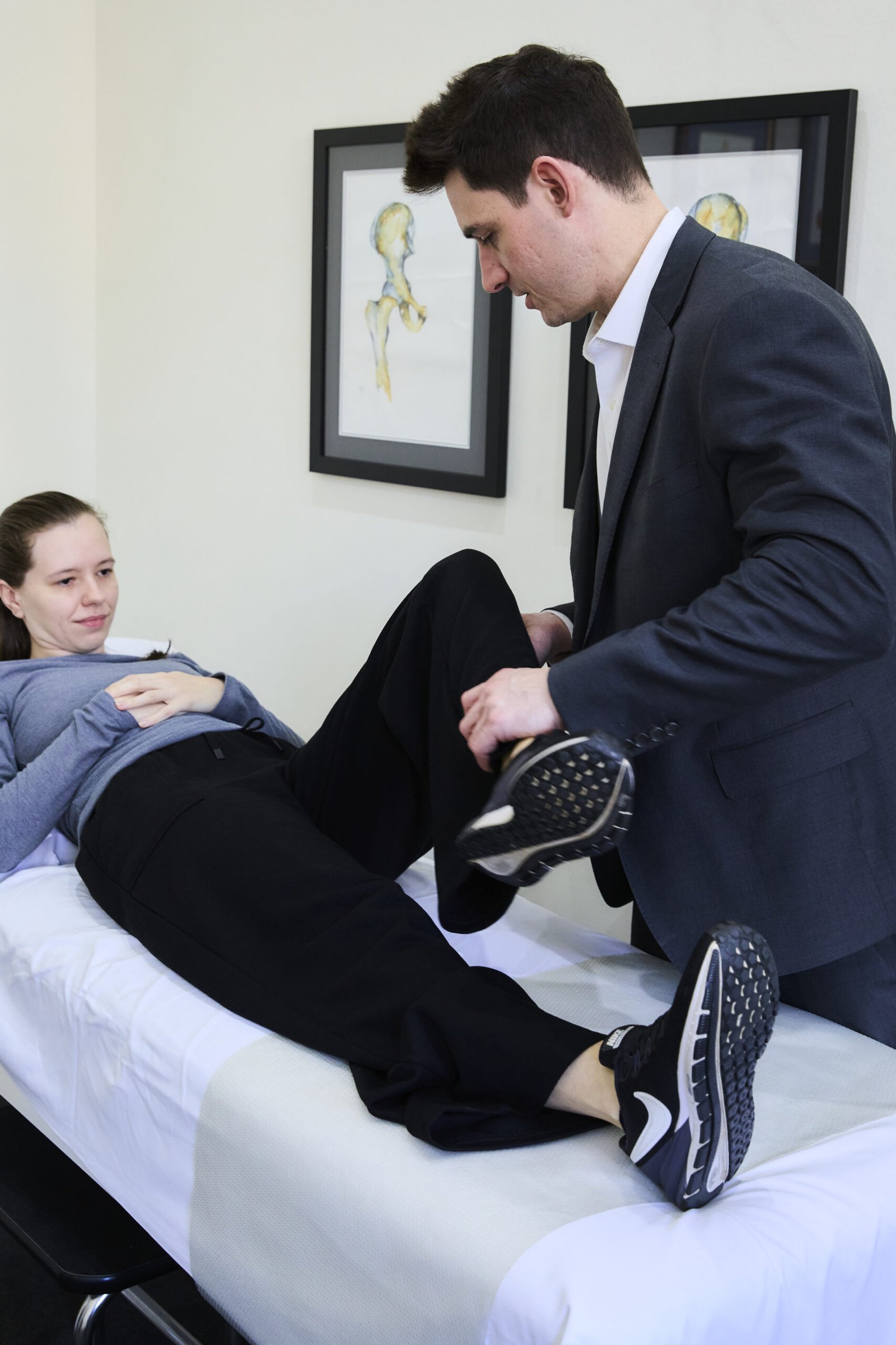
If you’re experiencing ongoing pain, stiffness, or reduced movement that is affecting your daily activities or quality of life, a thorough orthopaedic assessment can help determine the cause and guide the most appropriate treatment options for your situation.