Patient-Specific Total Knee Replacement

A tailored surgical solution based on your individual anatomy

Every knee is different, which means every knee replacement should be tailored to the individual. Patient-specific total knee replacement is an advanced technique that uses detailed imaging and 3D modelling to design a surgical plan based on your unique bone shape, alignment, and pattern of joint wear. Rather than relying on a standardised approach, Dr Jason Hockings uses this technology to plan the procedure with a high level of personalisation before the operation begins.

By guiding implant positioning to suit your individual anatomy, this modern method aims to support accuracy, preserve natural knee motion, and assist in a smoother recovery process.

drjasonhockings 2m9a1144

What is patient-specific knee replacement?

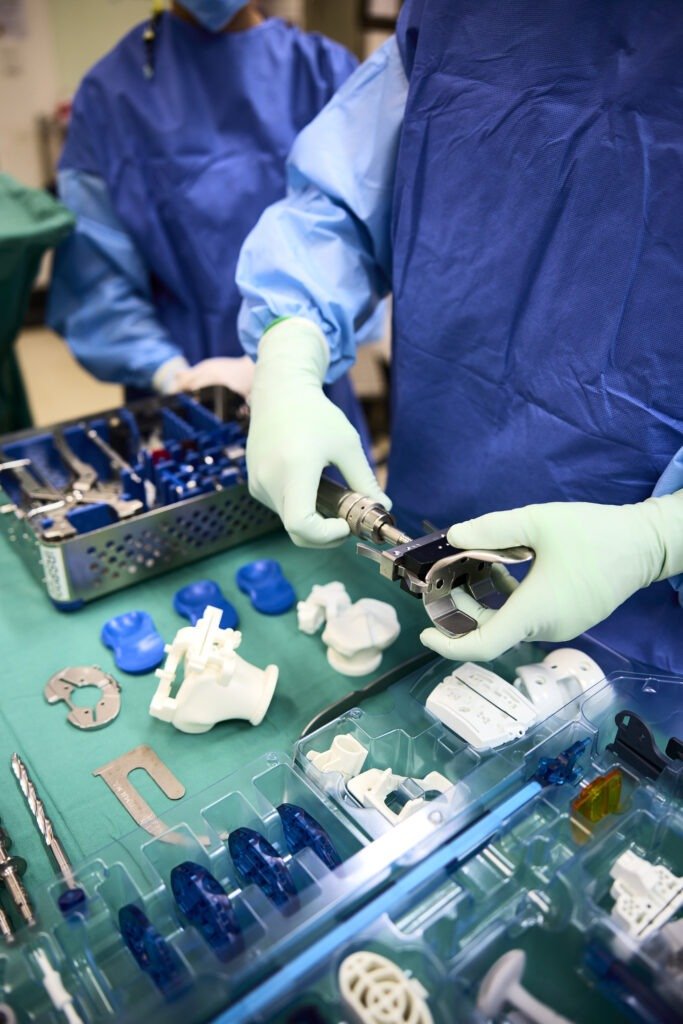
Patient-Specific Total Knee Replacement involves the use of pre-operative 3D planning and custom-designed surgical instruments, called patient-specific instrumentation (PSI). These guides are created from a CT scan of your full leg, extending from hip to ankle, to develop a highly detailed digital model of your knee.
This process enables Dr Hockings to:

Patient Specific Total Knee Replacement

The Planning Process: Step by Step

Step 1

Consultation & CT Referral

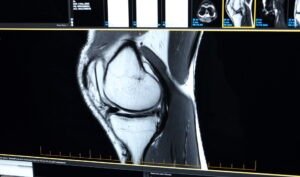
After your initial consultation, Dr Hockings will provide a referral for a CT scan. This scan captures the exact contours of your femur, tibia, and joint surfaces.
 mg 6192

Step 1

Step 2

3D digital model creation

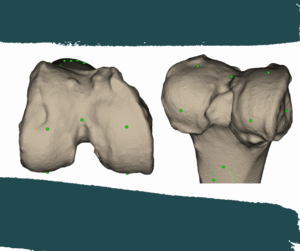
Using the scan data, a highly accurate 3D digital model of your knee is created. This model becomes the foundation for your personalised surgical plan.
3d model of your knee (1)

Step 2

Step 3

Pre-operative planning

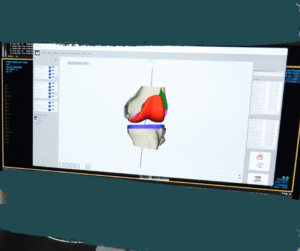
With advanced software, Dr Hockings reviews your alignment, joint wear, and bone thickness. He applies kinematic alignment principles to design a surgical plan that matches your natural knee movement.
patient specific total knee replacement surgical plan

Step 3

Step 4

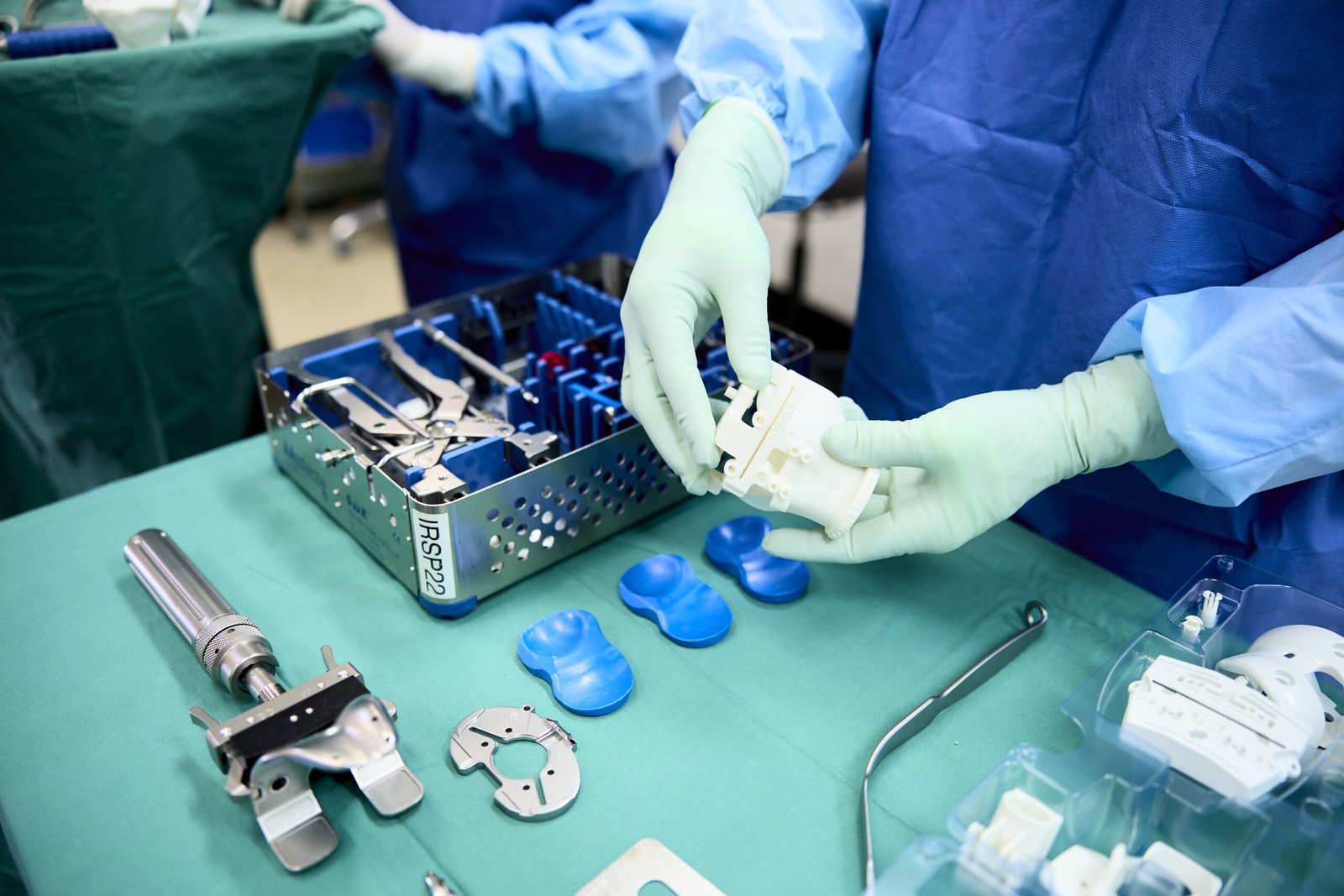
Manufacturing of PSI guides

The finalised plan is sent to a specialist manufacturing facility in Switzerland, where your 3D-printed patient-specific cutting guides are created and sterilised before your procedure.
250716 drjasonhockings 2m9a1108 (1)

Step 4

Potential benefits of patient-specific instrumentation (PSI)

250716 drjasonhockings 2m9a1109

If you’re experiencing ongoing pain, stiffness, or reduced movement that is affecting your daily activities or quality of life, a thorough orthopaedic assessment can help determine the cause and guide the most appropriate treatment options for your situation.