Patellofemoral instability

A condition where the kneecap (patella) moves out of its normal alignment, often causing pain, dislocation, and difficulty with movement.

Patellofemoral instability occurs when the patella does not sit securely within the groove at the end of the femur (thighbone), known as the trochlear groove. Instead, it may shift, slide, or dislocate, particularly during activities that involve bending, twisting, or sudden changes in direction. This instability can be painful and may limit your ability to walk, kneel, squat, or return to sport.

Instability can be due to a traumatic dislocation, anatomical variations, soft tissue imbalance, or generalised ligament laxity. It most commonly affects adolescents and young adults but can occur at any age, particularly following injury.
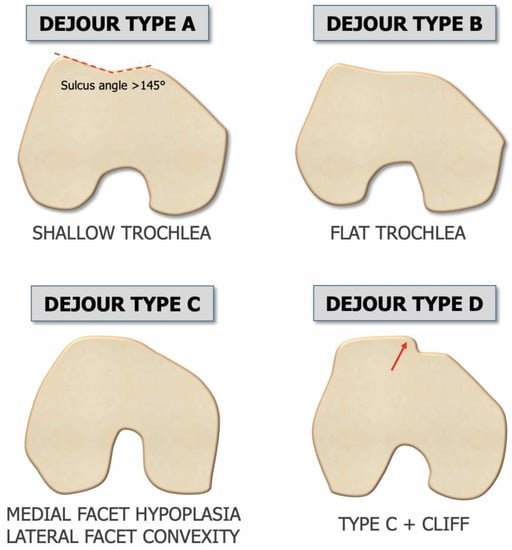
patellofemoral instability melbourne

In one Australian survey of knee surgeons, the mean reported incidence of primary lateral patellar dislocation in the population was 42 per 100,000 per year.

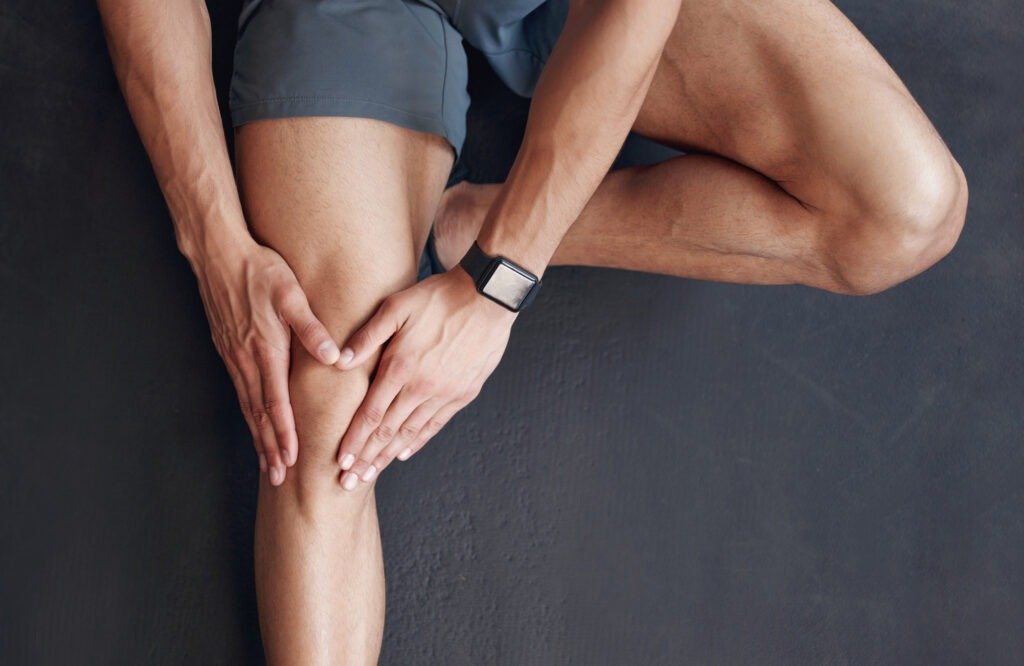
hands man knee pain from fitness gym with grip strength training mistake sports emergency athlete person massage legs exercise relief muscle therapy accident workout

Common symptoms of patellofemoral instability

Symptoms may vary in severity and frequency but often include:

What causes patellofemoral instability?

Several factors may contribute to patellar instability:

How is patellofemoral instability diagnosed

Diagnosis involves a detailed clinical assessment and imaging to understand the underlying cause and extent of instability. This may include:
Understanding the underlying cause of your hip symptoms is an important part of planning appropriate treatment.

Non-surgical treatment options

In cases of mild or first-time instability without major structural damage, non-surgical care may help. These options may include:
Dr Hockings will assess whether non-surgical management is appropriate based on your symptoms, anatomy, and response to treatment.

When might surgery be considered?

Surgery may be recommended if:
Dr Jason Hockings performs a range of procedures to address patellofemoral instability, which may include:
The most appropriate procedure depends on your individual anatomy and the contributing causes of instability. In some cases, multiple techniques may be combined for optimal stability and long-term function.

Recovery after patellofemoral instability surgery

Recovery will vary depending on the procedure performed, but generally includes:
Dr Hockings and your physiotherapy team will guide you through each stage of recovery with a personalised plan.
img 0019

If you’re experiencing ongoing pain, stiffness, or reduced movement that is affecting your daily activities or quality of life, a thorough orthopaedic assessment can help determine the cause and guide the most appropriate treatment options for your situation.