Chronic knee pain

Understanding persistent knee symptoms, what causes them, and how they can be managed

Chronic knee pain refers to ongoing or recurring pain in the knee that lasts longer than 3 months. It may develop gradually or result from an injury that fails to heal properly. Unlike acute pain, which often improves with rest and time, chronic knee pain tends to persist, impact daily activities, and may signal an underlying joint or soft tissue problem that requires medical attention.

Chronic knee pain is a common issue affecting people of all ages, from active individuals with overuse injuries to older adults experiencing degenerative joint conditions. If left unaddressed, it can lead to reduced mobility, muscle weakness, and long-term functional limitations.

This page provides a comprehensive overview of what causes chronic knee pain, how it is diagnosed, and what treatment options may help reduce symptoms and improve quality of life.

250716 drjasonhockings 2m9a0357

Common symptoms of chronic knee pain

Symptoms may vary depending on the underlying cause but typically include:
Pain may be localised to the front (anterior knee), inner or outer side, or deep within the joint. It may be sharp, dull, aching, or throbbing, and worsen with activity or weather changes.
Around 2.1 million Australians (1 in 11 people) have osteoarthritis, with a 58% increase expected by 2032 due to population ageing and rising obesity rates

What causes chronic knee pain?

There are many possible causes of long-term knee pain. Common causes include:
mg 6192

How is chronic knee pain diagnosed?

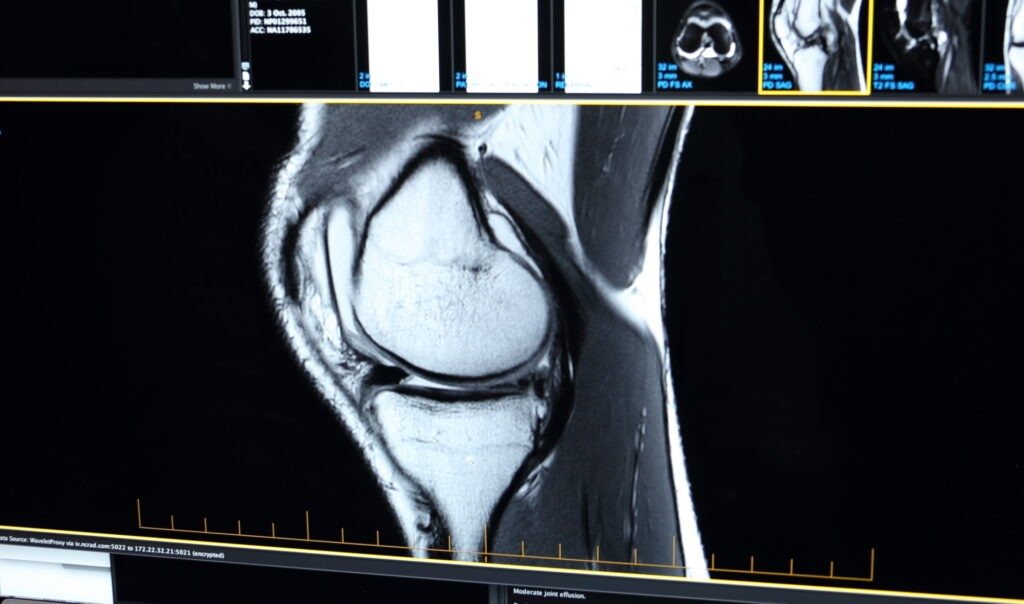
Dr Jason Hockings will conduct a thorough evaluation to determine the cause of your symptoms. This typically includes:

Accurate diagnosis is key to creating a targeted treatment plan and preventing further joint damage.

Non-surgical treatment options

Many causes of chronic knee pain can be successfully managed without surgery, particularly in the early stages or for mild to moderate symptoms. These options may include:
Dr Hockings will discuss the most appropriate non-operative options based on your diagnosis and lifestyle.

When is surgery considered?

If chronic knee pain does not improve with conservative treatment or if there is significant structural damage, surgery may be recommended. Surgical options depend on the underlying cause and may include:
All surgical decisions are made collaboratively, based on your goals, activity level, and imaging findings.

Managing chronic knee pain long-term

Chronic knee pain can be managed effectively with the right treatment plan, lifestyle adjustments, and ongoing care. Key elements of long-term management include:
With early diagnosis and a tailored treatment plan, many people are able to reduce their knee pain and return to an active, independent lifestyle.
img 0019

If you’re experiencing ongoing pain, stiffness, or reduced movement that is affecting your daily activities or quality of life, a thorough orthopaedic assessment can help determine the cause and guide the most appropriate treatment options for your situation.