- SPECIALIST ORTHOPAEDIC SURGEON | MELBOURNE, VIC | ALBURY, NSW | MORNINGTON, VIC |
- 03 9421 6133
- Melbourne & Mornington VIC |
- Albury, NSW
Bikini incision total hip replacement is a refined surgical technique used in combination with the anterior approach to total hip replacement. The procedure is named for the location of the incision, made along the natural skin crease (the “bikini line”) at the front of the hip, which can result in a more discreet and cosmetically appealing scar once healed.
Dr Jason Hockings may recommend this technique for patients who are suitable for anterior hip replacement and would benefit from a minimally invasive incision that blends with the natural contour of the groin crease. This page explains what the bikini incision involves, how it differs from the standard approach, and what you can expect if this option is recommended for you.
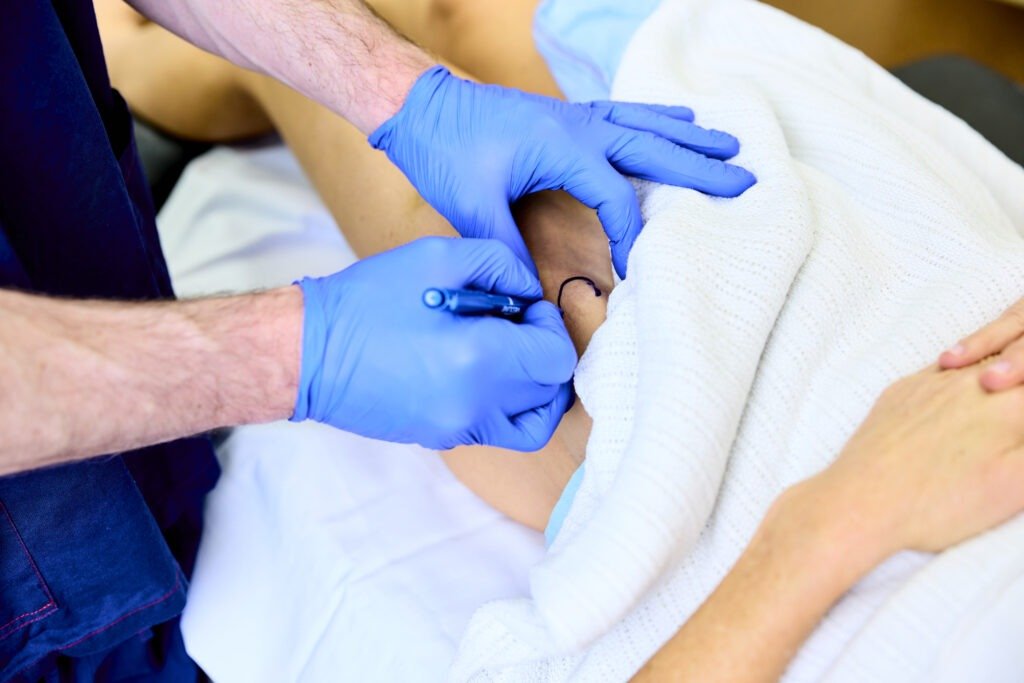
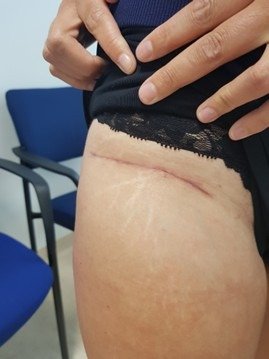
The bikini incision is a variation of the anterior approach to hip replacement surgery, where the incision is placed horizontally along the natural skin crease at the front of the hip rather than vertically or obliquely over the thigh.
The surgical steps remain the same; damaged bone and cartilage are removed and replaced with prosthetic components but, the incision location is adjusted to be more concealed. The goal is to perform the hip replacement through a small, cosmetically favourable incision without compromising the effectiveness or safety of the procedure.

In general, patients who are fit and healthy, have lower to average BMI, and are undergoing first-time anterior hip replacement are most likely to be suitable however, Dr Hockings will assess your anatomy during your consultation and imaging review and let you know whether the bikini incision is an appropriate option for you.
The procedure is carried out with the patient lying on their back (supine) using the anterior approach. Dr Hockings:
The use of MyHip software and pre-operative planning supports accurate implant placement, tailored to your specific anatomy.

If you’re experiencing ongoing pain, stiffness, or reduced movement that is affecting your daily activities or quality of life, a thorough orthopaedic assessment can help determine the cause and guide the most appropriate treatment options for your situation.