- SPECIALIST ORTHOPAEDIC SURGEON | MELBOURNE, VIC | ALBURY, NSW | MORNINGTON, VIC |
- 03 9421 6133
- Melbourne & Mornington VIC |
- Albury, NSW
A hip labral tear refers to damage or injury to the labrum, the ring of cartilage that surrounds the rim of your hip socket (acetabulum). This structure helps stabilise your hip joint by deepening the socket and providing a seal around the femoral head (the ball of the hip joint). When the labrum is torn or damaged, it can lead to pain, clicking or catching sensations, reduced mobility, and a feeling of instability in the hip.
Labral tears can occur for a variety of reasons, including structural abnormalities like femoroacetabular impingement (FAI), repetitive movements in sports, trauma, or degenerative changes over time. They are commonly seen in active individuals but can affect people of all ages and activity levels.
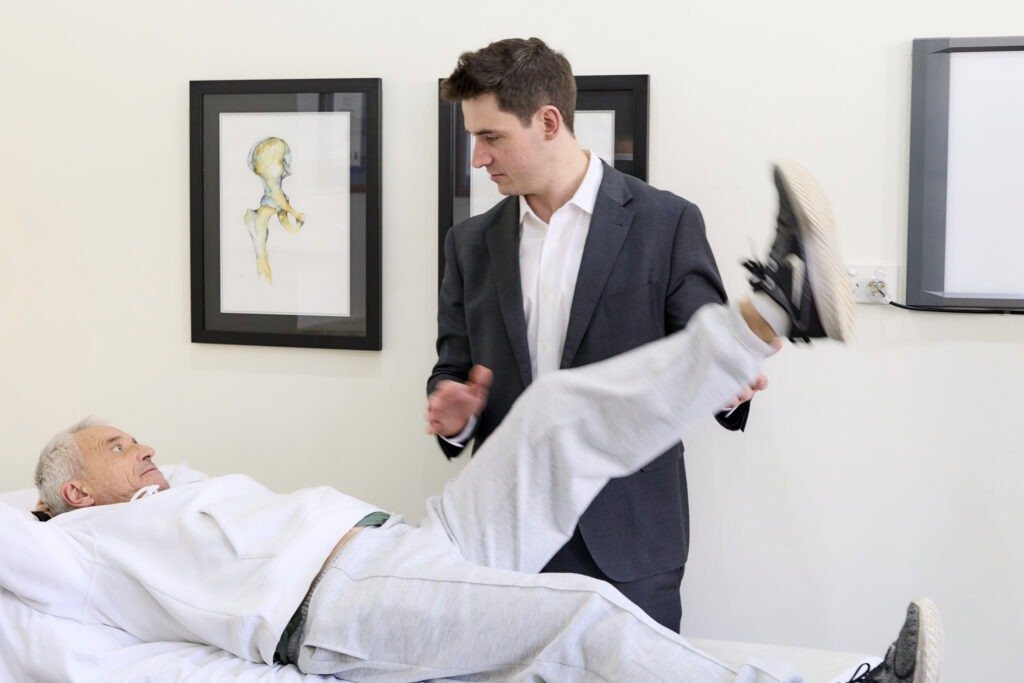
If you’re experiencing ongoing hip or groin pain, particularly during twisting, turning, or prolonged sitting, it may be worth investigating whether a labral tear is contributing to your symptoms. Early diagnosis and treatment may help preserve your joint health and improve your quality of life.
This page provides clear, information about the causes, symptoms, diagnosis, and treatment options for hip labral tears, including when arthroscopic surgery might be considered.
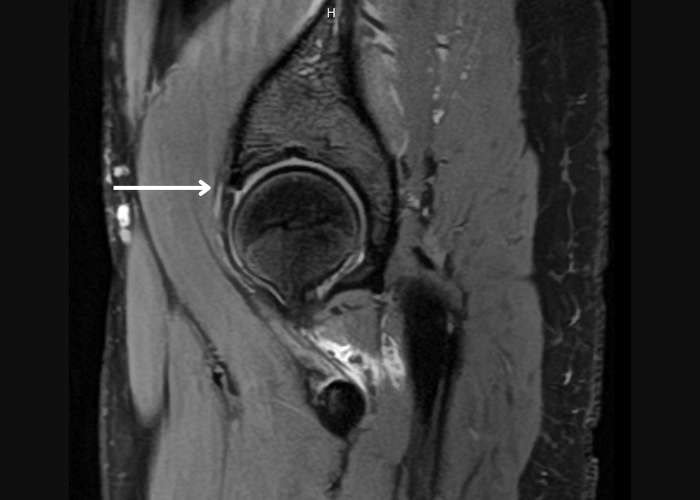
The labrum is a ring of strong, flexible cartilage that lines the rim of the hip socket (acetabulum). It plays a vital role in stabilising the hip joint by deepening the socket and helping the ball of the thigh bone (femoral head) stay securely in place.
The labrum also acts as a seal, helping maintain fluid pressure in the joint and cushioning forces during movement. When the labrum becomes torn or damaged, it can lead to pain, instability, and reduced function in the hip.
A hip labral tear refers to a tear or fraying of the labral cartilage in the hip joint. This injury may occur suddenly (due to trauma or a sports injury) or develop gradually over time from repetitive joint stress or abnormal hip mechanics.
Labral tears are commonly associated with femoroacetabular impingement (FAI), a condition where the shape of the hip bones causes excess friction within the joint.
If left untreated, labral tears may contribute to joint instability and may increase the risk of developing early hip arthritis.

Most labral tears are treated with hip arthroscopy, a minimally invasive procedure where a small camera and instruments are inserted through tiny incisions to visualise and treat the inside of the joint.
Labral repair is generally preferred over debridement when the tissue is of good quality and repairable.
Recovery from arthroscopic labral repair varies depending on the extent of the tear, the type of repair, and any associated procedures performed (such as FAI correction).
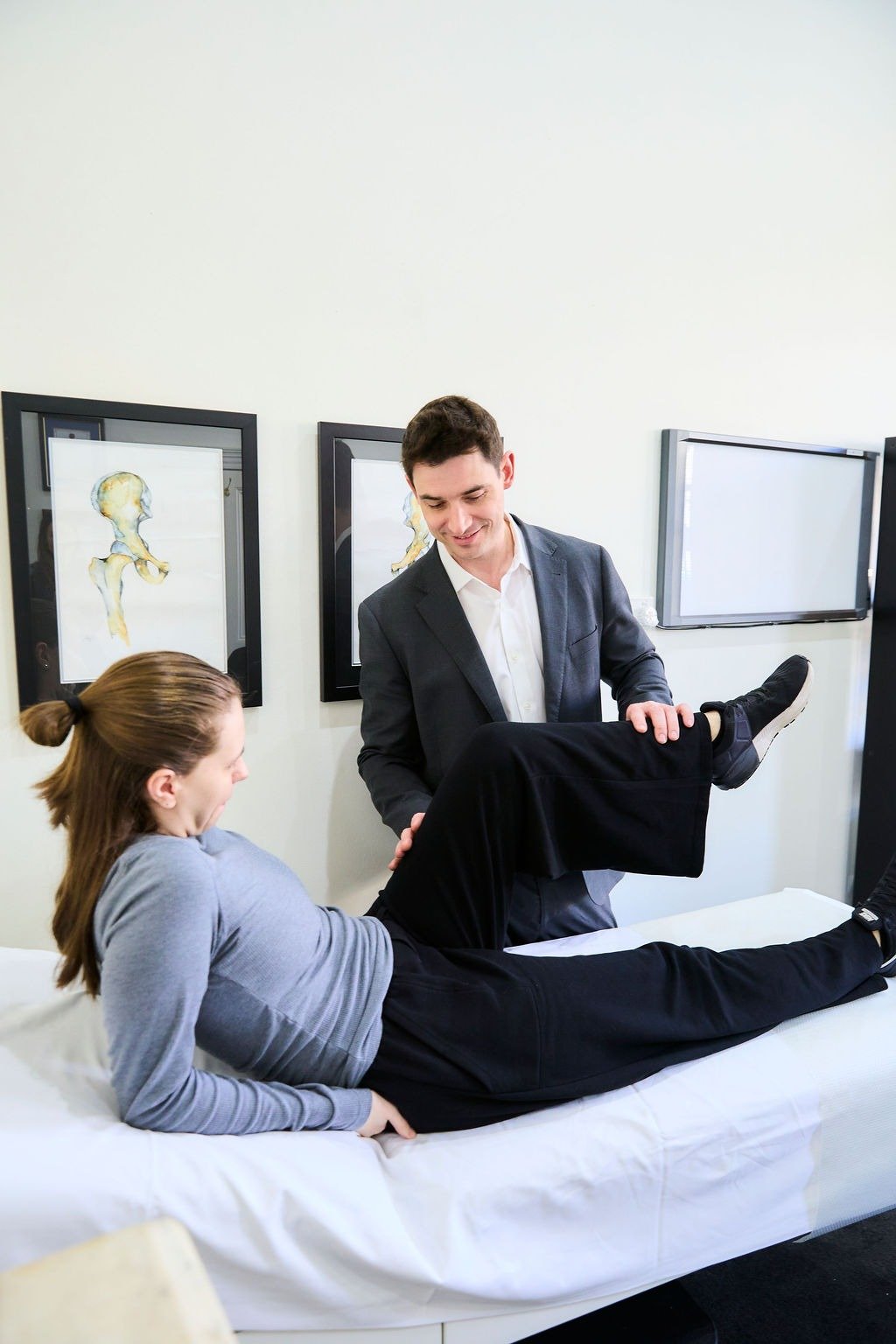
If you’re experiencing ongoing pain, stiffness, or reduced movement that is affecting your daily activities or quality of life, a thorough orthopaedic assessment can help determine the cause and guide the most appropriate treatment options for your situation.