- SPECIALIST ORTHOPAEDIC SURGEON | MELBOURNE, VIC | ALBURY, NSW | MORNINGTON, VIC |
- 03 9421 6133
- Melbourne & Mornington VIC |
- Albury, NSW
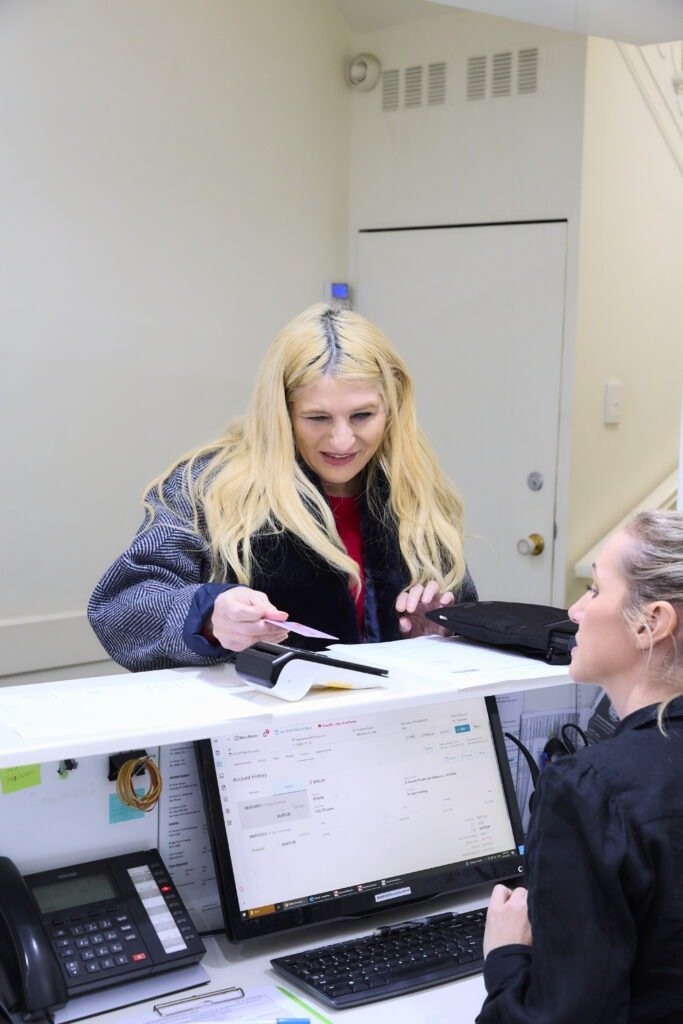
Payment of your account is required on the day of your consultation via EFTPOS, Visa, MasterCard and cash for payment.
A current GP or treating practitioner referral is required to be able to claim from Medicare. (Physiotherapist is not recognised as a treating practitioner for referrals).
Our reception team can process your claim immediately and the rebate will be deposited directly back into your bank account. Without a current referral, we will be unable to claim for you.
Patients with claims through Workcover, the Transport Accident Commission (TAC), the Department of Veterans’ Affairs (DVA), or other third-party insurers should provide all claim details before their appointment. In most cases, standard consultation fees apply and are also payable on the day, with reimbursement to be arranged directly between you and the insurer.

If you have private hospital cover, your out-of-pocket costs for surgery will depend on your health fund, the level of cover you hold, and the specific procedure being performed. In Australia, most health funds now offer hospital policies in four standard tiers: Basic, Bronze, Silver, and Gold. These categories affect what procedures are included and how much your insurer pays toward your care:
Before proceeding with surgery, we recommend contacting your private health insurer to confirm:
Even with private health insurance, you may still have some out-of-pocket expenses, commonly referred to as a gap payment. These are the portions of the fee that your health fund doesn’t cover. For most patients, private health insurance covers approximately 90% of the total cost, but the actual gap will vary based on:
You will receive a detailed Informed Financial Consent prior to booking surgery, outlining:
We aim to make this process transparent so you can feel informed and prepared when making your decision.
While every effort is made to provide an accurate estimate, final costs may differ from your initial quotation. This can occur if your hospital stay is shorter or longer than expected, or if your surgical needs change during the procedure. If this happens, Dr Hockings and his team will clearly explain any changes, the reasons behind them, and provide payment options where needed.
Self-funding gives you control over your treatment timeline, allowing you to access surgery sooner and plan your recovery without delay.

If you’re experiencing ongoing pain, stiffness, or reduced movement that is affecting your daily activities or quality of life, a thorough orthopaedic assessment can help determine the cause and guide the most appropriate treatment options for your situation.