- SPECIALIST ORTHOPAEDIC SURGEON | MELBOURNE, VIC | ALBURY, NSW | MORNINGTON, VIC |
- 03 9421 6133
- Melbourne & Mornington VIC |
- Albury, NSW
Preparing for surgery is an important step in achieving the best possible outcome. In the weeks and days leading up to your procedure, there are several things you can do to support a smoother recovery, reduce risks, and make your hospital stay as comfortable as possible.
This guide takes you step-by-step through everything you need to do, from optimising your health to packing for the day of your procedure.

Taking time to prepare your body and mind before surgery can make a real difference to your recovery and long-term outcome. By focusing on your health in the lead-up to your procedure, you can reduce risks, recover more smoothly, and get back to your usual activities sooner.
As part of your pre-operative care, Dr Jason Hockings will review your current medications and advise on any adjustments needed before surgery. He may also recommend dietary changes, weight management strategies, and other lifestyle modifications to support healing. In many cases, targeted exercises or physiotherapy will be suggested to strengthen your muscles, improve joint function, and prepare your body for surgery.
Dr Hockings places a strong emphasis on patient education and setting realistic expectations. He will explain each stage of your surgical journey in clear, simple terms so you know exactly what to expect, feel supported, and are confident in taking an active role in your recovery.
If you have private health insurance, confirm that your policy covers your planned procedure and hospital stay.
Our team can assist with quotes and item numbers for your insurer.
If you don’t have private health insurance, you still have the option to access high-quality surgical care through self-funding. Dr Hockings offers transparent and flexible options for patients who choose to self-fund their procedures. Whether you need a knee or hip replacement, or another orthopaedic surgery, self-funding allows you to receive timely treatment in a private hospital setting.

Your hospital will provide admission forms that must be completed before your procedure. These include your medical history, consent forms, and insurance details. Completing these early helps avoid delays on the day of surgery.
Below, is information about each hospital and instructions for completing the necessary admission forms. Completing these forms accurately and promptly ensures a smooth admission process and helps prepare for your care.
It is important to mention all medications you are taking, including blood pressure tablets, blood thinners, diabetes medications, over-the-counter medicines, supplements, and herbal remedies. Spinal anaesthetic complications are rare but may include bleeding (such as a spinal haematoma), infection at the injection site, or allergic reactions to the local anaesthetic. Your anaesthetist will take all necessary precautions and may recommend an alternative approach if certain risk factors are present, such as the use of specific blood thinners.
Anaesthesia plays a key role in your surgical journey, ensuring your comfort and safety from start to finish.
For some patients, particularly those over 65 or with complex health needs, a pre-operative geriatrician review may be recommended. This helps optimise your medical care, assess any risks, and coordinate recovery planning.
Following the review, the geriatrician will communicate with Dr Hockings and your healthcare team to ensure any recommendations are integrated into your surgical and recovery plan. This may include prehabilitation exercises, medication adjustments, or referrals to allied health providers such as physiotherapists, dietitians, or occupational therapists. The goal is to make your surgery as safe as possible, support your independence, and help you return to your normal activities with confidence.
Dr Hockings will arrange a quick and painless screening test for Staphylococcus aureus (commonly known as golden staph), a bacteria found on the skin or in the nose in about one in four people. While usually harmless, if it enters the body during surgery, it can cause a serious infection.
If your result is positive: You can still go ahead with your surgery, but you will need a short clearance treatment. This includes applying a nasal antibiotic ointment and using an antiseptic body wash daily for seven days before surgery.
On the day of your procedure, you will be admitted to the hospital with all necessary pre-surgery protocols already in place. In most cases, admission occurs on the same day as your surgery to ensure a smooth, streamlined process.
Wear loose, comfortable clothing and avoid jewellery, makeup, nail polish, and valuables. Bring only essential items with you, along with your hospital paperwork, identification, and any required medical documents.
Fasting before surgery is essential for your safety. Having food or drink in your stomach during anaesthesia increases the risk of inhaling stomach contents into your lungs (aspiration), which can be life-threatening.
You must stop eating solid food at least 6 hours before any type of anaesthetic. Water can usually be consumed closer to your admission time, as directed below.
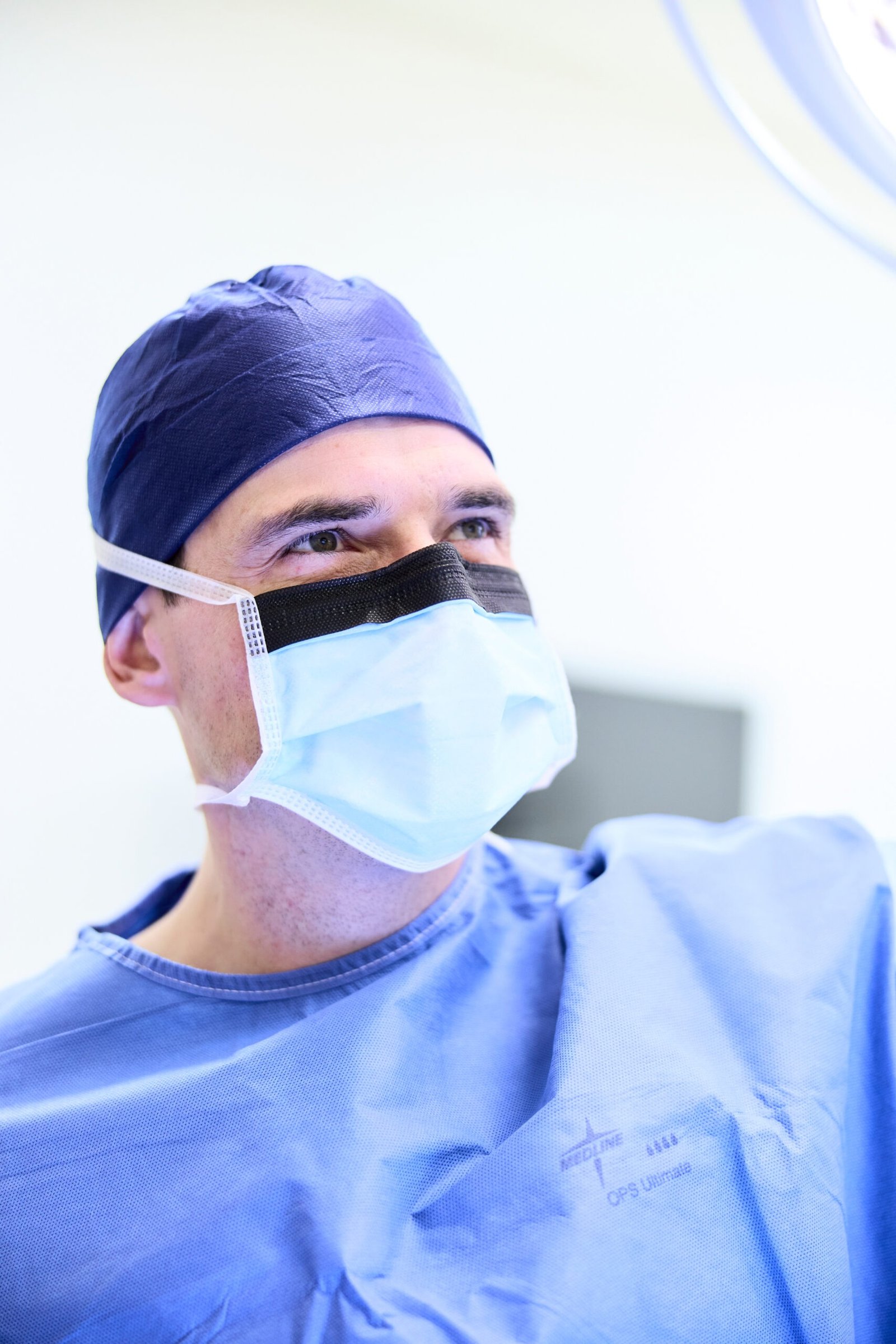
If you’re experiencing ongoing pain, stiffness, or reduced movement that is affecting your daily activities or quality of life, a thorough orthopaedic assessment can help determine the cause and guide the most appropriate treatment options for your situation.