Shoulder Instability Surgery

Restoring stability and confidence to your shoulder after recurrent dislocations or instability

If you have experienced repeated shoulder dislocations, or if your shoulder feels loose and slips out of place, you may have shoulder instability. This condition is more common in athletes who participate in sports involving repetitive overhead movements, such as swimming, tennis, cricket, and throwing sports, but it can also affect anyone who has sustained an injury to the shoulder joint.

Shoulder instability occurs when the soft tissue structures that keep the ball of the upper arm bone (humerus) centred in the shoulder socket (glenoid) become stretched, torn, or damaged. This can happen after a traumatic injury, repetitive overuse, or as a result of previous dislocations that have weakened the stabilising tissues.
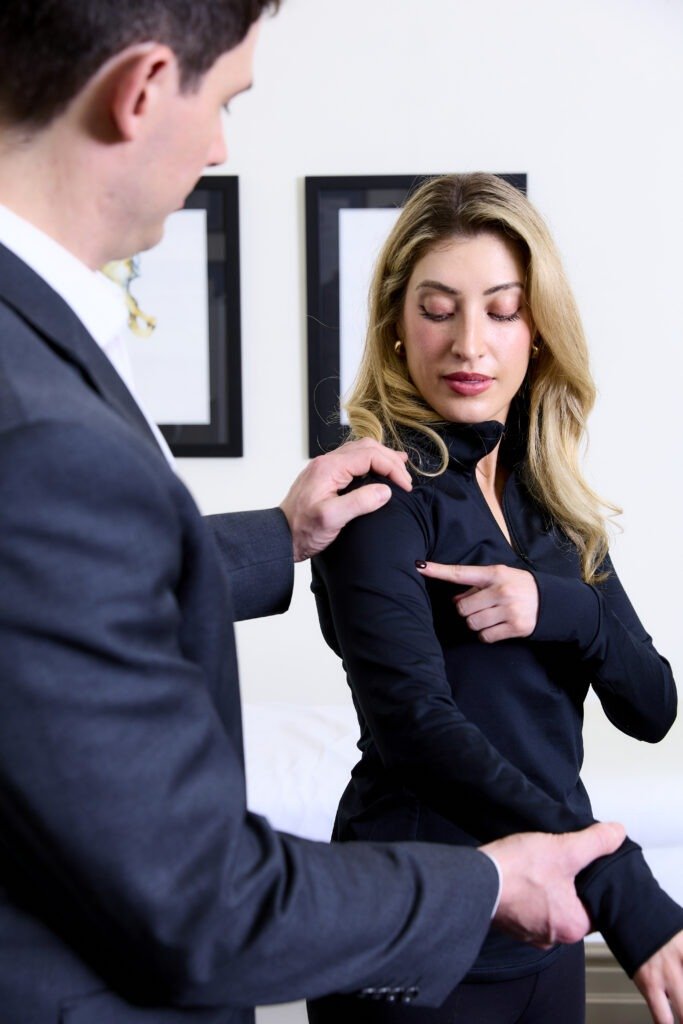
Dr Jason Hockings offers thorough assessment and tailored treatment for patients with shoulder instability. When surgery is needed, he specialises in arthroscopic stabilisation and capsular shift procedures to restore stability and function to the joint.

In the sections below, you will find detailed information on the causes of shoulder instability, how the surgery is performed, and what to expect during your recovery.

What causes shoulder instability

Your shoulder is the most mobile joint in your body, allowing you to lift, reach, throw, and rotate your arm in almost any direction. This wide range of motion is possible because of its ball-and-socket design, but with this freedom comes less built-in stability.
To keep the joint secure, several structures work together:
If any of these structures are stretched, torn, or weakened, the shoulder can become unstable and may slip out of place. Shoulder instability can develop from:
Common signs and symptoms include repeated dislocations or subluxations (partial dislocations), a feeling that the shoulder may “give way,” pain with certain movements, and reduced strength or function.

What arthroscopic stabilisation for shoulder instability involves

Arthroscopic stabilisation is a minimally invasive procedure designed to repair and tighten the soft tissue structures that hold your shoulder in place. It is most often recommended if your shoulder continues to feel unstable or dislocates despite physiotherapy and other non-surgical treatments.
During the procedure:

Because the surgery is performed arthroscopically, the incisions are smaller than in traditional open surgery, which may result in less post-operative discomfort and scarring, and can make early recovery more comfortable.

The goal of arthroscopic stabilisation is to restore the normal anatomy of the shoulder so you can return to your usual activities with improved stability and confidence.

What is a capsular shift procedure?

A capsular shift is a surgical technique used when the joint capsule, the soft tissue envelope that surrounds and supports your shoulder has become stretched or loose. This excess laxity can prevent the shoulder from staying firmly in its socket, even after a labral repair, making it prone to slipping out of place.

During a capsular shift, Dr Hockings uses arthroscopic techniques to carefully fold and tighten the capsule. This is done by placing sutures in a way that “shifts” the tissue, reducing the extra space inside the joint. The tightened capsule helps keep the ball of the upper arm bone securely within the socket, improving stability during movement.
This procedure is often performed at the same time as a Bankart repair or other labral repairs to address both the torn tissue and the looseness of the capsule. It is particularly beneficial for patients who have:
The aim of a capsular shift is to restore stability so you can move your shoulder confidently, whether during everyday activities, work tasks, or sport.

How long recovery takes after surgery

Recovery times can vary depending on the type of instability, the extent of repair, and your activity goals. A general recovery timeline may include:

Weeks 0–4:

Weeks 4–8:

Weeks 8–12:

3–6 months:

6+ months:

Following your post-operative instructions and rehabilitation plan is essential for the best possible outcome.

Potential risks and considerations

Shoulder instability surgery is generally safe and has high success rates in restoring stability, but as with any surgery, there are some risks:
Dr Hockings will discuss these risks with you before surgery and explain the measures taken to minimise them.

Is shoulder instability surgery right for you?

Not every patient with shoulder instability will require surgery. Dr Hockings will carry out a detailed clinical assessment, review your imaging, and discuss your symptoms, activity level, and lifestyle goals before recommending treatment. If surgery is advised, you will receive a personalised plan outlining the procedure, recovery expectations, and the steps you can take to prepare for the best possible result.

If you’re experiencing ongoing pain, stiffness, or reduced movement that is affecting your daily activities or quality of life, a thorough orthopaedic assessment can help determine the cause and guide the most appropriate treatment options for your situation.