Rotator Cuff Repair

Restoring strength, movement and stability in your shoulder

Rotator cuff repair is a surgical procedure designed to treat tears in the rotator cuff tendons of the shoulder. These tendons play a critical role in stabilising your shoulder and allowing smooth, controlled movement of the arm. When torn, they can lead to significant pain, weakness, and limited range of motion, often affecting your ability to lift or rotate your arm.

Dr Jason Hockings performs arthroscopic (keyhole) rotator cuff repair using modern surgical techniques and personalised planning to help restore shoulder function and relieve pain.
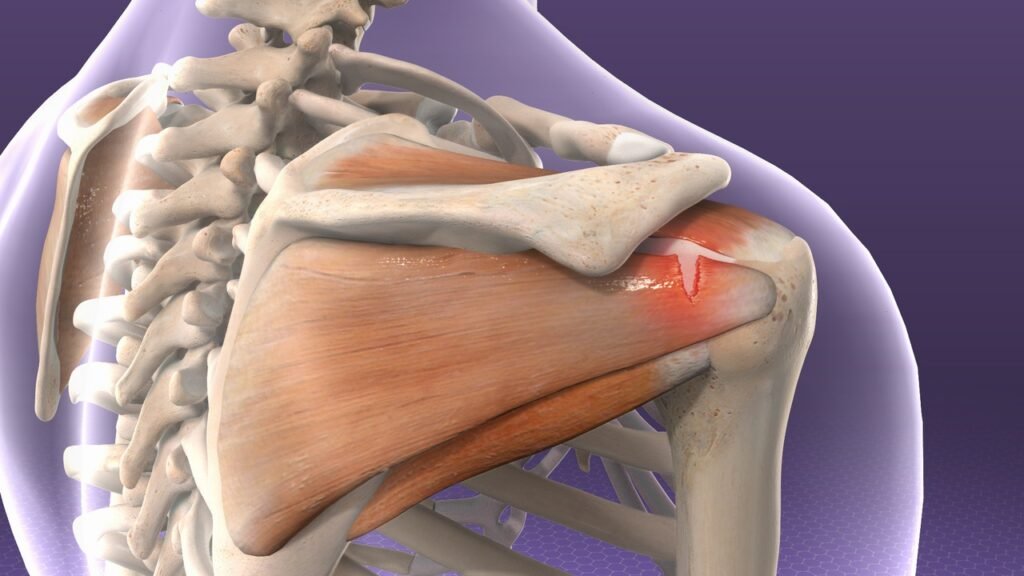
What is the rotator cuff?

The rotator cuff is a group of four muscles and their tendons that surround the shoulder joint. They work together to keep the head of the upper arm bone (humerus) securely in the shoulder socket while allowing the arm to lift, rotate, and stabilise during movement.

Tears in the rotator cuff can result from:

When might rotator cuff repair be recommended?

Not all rotator cuff tears require surgery. Dr Hockings may recommend a surgical repair if:

What does rotator cuff repair surgery involve?

Arthroscopic rotator cuff repair, also known as keyhole or minimally invasive surgery, is the preferred approach for treating partial or complete tendon tears within the rotator cuff. This procedure is designed to restore the tendon’s attachment to the head of the humerus (upper arm bone) and improve shoulder strength, stability, and function.

Surgical goals and techniques

During surgery, the torn edges of the tendon are first cleaned and mobilised. Strong sutures are then carefully threaded through the tendon and secured back to the bone using specialised surgical anchors. These anchors are placed within the humerus to hold the tendon in its correct anatomical position, which is vital for proper healing.
Dr Hockings has extensive experience in restoring the tendon’s native position using a range of advanced arthroscopic techniques tailored to the severity and type of tear:

What happens during the procedure?

The entire operation is performed through small incisions using a tiny camera (arthroscope) and specialised instruments. Key steps include:

The exact technique used will depend on the size and nature of your tear, as well as findings from your MRI or CT scan. Dr Hockings will discuss the best approach for your shoulder based on your individual diagnosis, activity level, and recovery goals.

Surgery duration varies depending on the complexity of the tear and whether additional procedures are required. 
Recovery and rehabilitation following rotator cuff repair

Recovery after rotator cuff repair is a gradual process and plays a vital role in the success of your surgery. The healing timeline and rehabilitation plan will vary depending on the size of the tear, the surgical technique used, and your individual goals.

What to expect after surgery

Immediately following your arthroscopic rotator cuff repair:

Structured rehabilitation timeline

Here is a general overview of the rehabilitation phases:
Weeks 0–6
Weeks 6–12
Months 3–6
6+ months
Dr Hockings will guide your progress with scheduled follow-up appointments and adapt your rehabilitation plan to your lifestyle and recovery milestones. Commitment to your physiotherapy program is essential for achieving the best possible outcome.

Potential Risks and considerations with rotator cuff repair

As with any surgical procedure, rotator cuff repair carries some risks. While most patients recover well, it’s important to be aware of the potential complications and factors that may affect healing:

If you’re experiencing ongoing pain, stiffness, or reduced movement that is affecting your daily activities or quality of life, a thorough orthopaedic assessment can help determine the cause and guide the most appropriate treatment options for your situation.