Anatomic Shoulder Replacement

Restoring smooth, stable shoulder movement with a natural joint design

Anatomic shoulder replacement, (also known as total shoulder arthroplasty or anatomical total shoulder replacement) is a surgical procedure designed to replicate the natural structure and movement of your shoulder joint. It is typically recommended when the shoulder has become painful and stiff due to advanced osteoarthritis, rheumatoid arthritis, or certain types of fractures, but the rotator cuff muscles remain healthy and functional.

Unlike reverse shoulder replacement, which alters the mechanics of the joint, an anatomic shoulder replacement preserves the native orientation of the ball-and-socket design: the humeral head (ball) is replaced with a smooth metal implant, and the glenoid (socket) is fitted with a specially shaped polyethylene component. This allows the rotator cuff to continue controlling movement and stabilising the shoulder.

The following sections provide a detailed overview of the anatomic shoulder replacement journey with Dr Jason Hockings, including key symptoms, surgical details, recovery process, and how your care is personalised at each stage.

Common signs and symptoms that may point to shoulder arthritis or joint damage

You may benefit from anatomic shoulder replacement surgery if you experience:

These symptoms are often associated with conditions such as primary osteoarthritis, post-traumatic arthritis, rheumatoid arthritis, or damage from earlier injuries.

Are you a candidate for anatomic shoulder replacement surgery?

Dr Jason Hockings will assess whether anatomic shoulder replacement is suitable for you based on:

Patients who are typically good candidates are those with arthritis and intact rotator cuff tendons who are looking to regain pain-free range of motion and return to normal function.

When anatomic shoulder replacement may not be the right option

This type of shoulder replacement may not be suitable if:

In these situations, reverse shoulder replacement may offer a better outcome.

The surgical approach Dr Hockings uses for anatomic shoulder replacement

Dr Hockings performs anatomical shoulder replacement using a deltopectoral approach, which provides access to the shoulder joint while preserving the deltoid muscle. This approach:
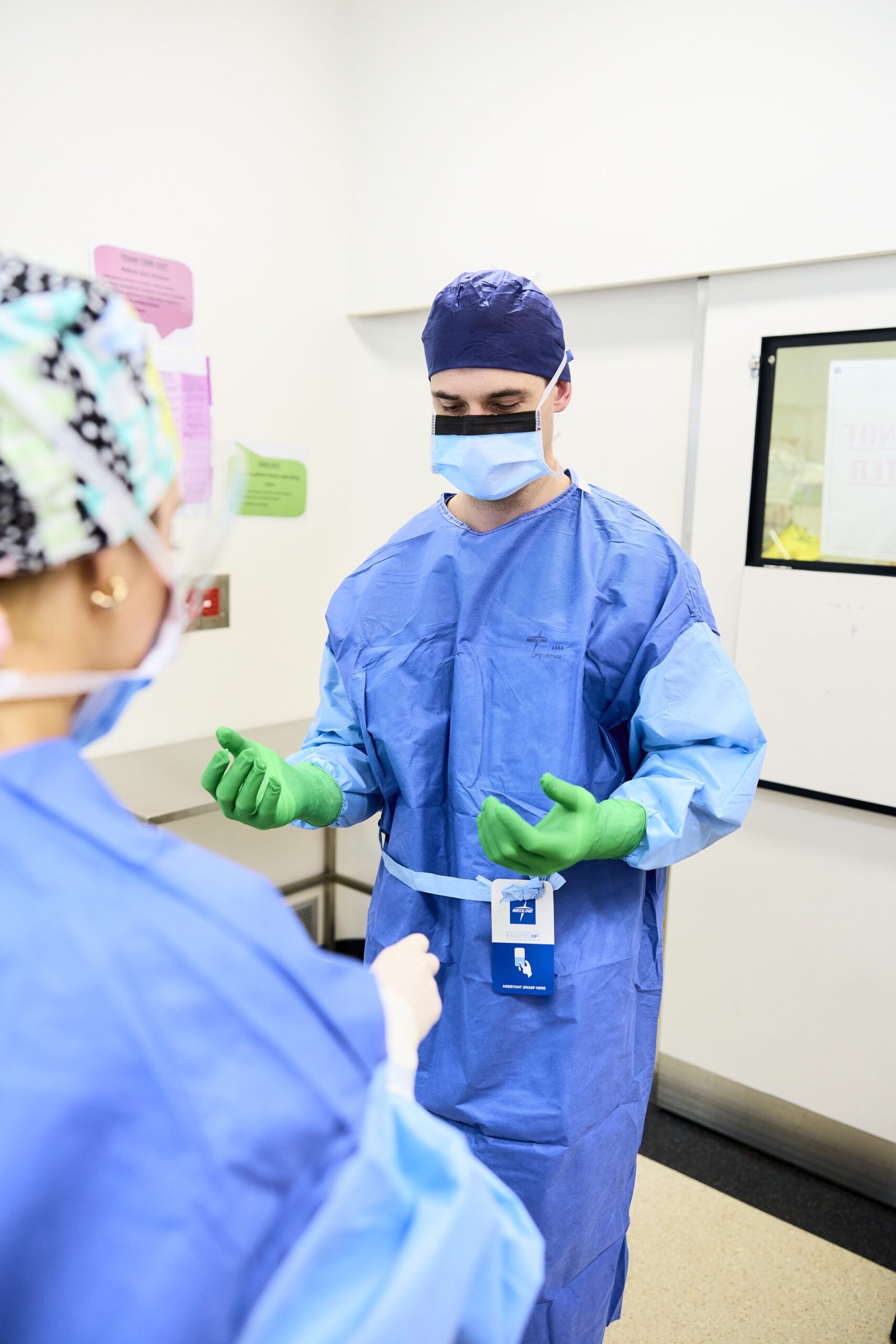
The procedure is performed under general anaesthetic and typically takes 1.5 to 2 hours. It may be done as an overnight stay or short hospital admission depending on your health status.

How personalised imaging and surgical planning guides your anatomic shoulder replacement

Dr Hockings uses advanced pre-operative imaging, including CT-based planning software, to tailor your procedure. This helps:
This level of planning supports more predictable recovery and long-term shoulder function.

The prosthetic implants used in anatomic shoulder replacement

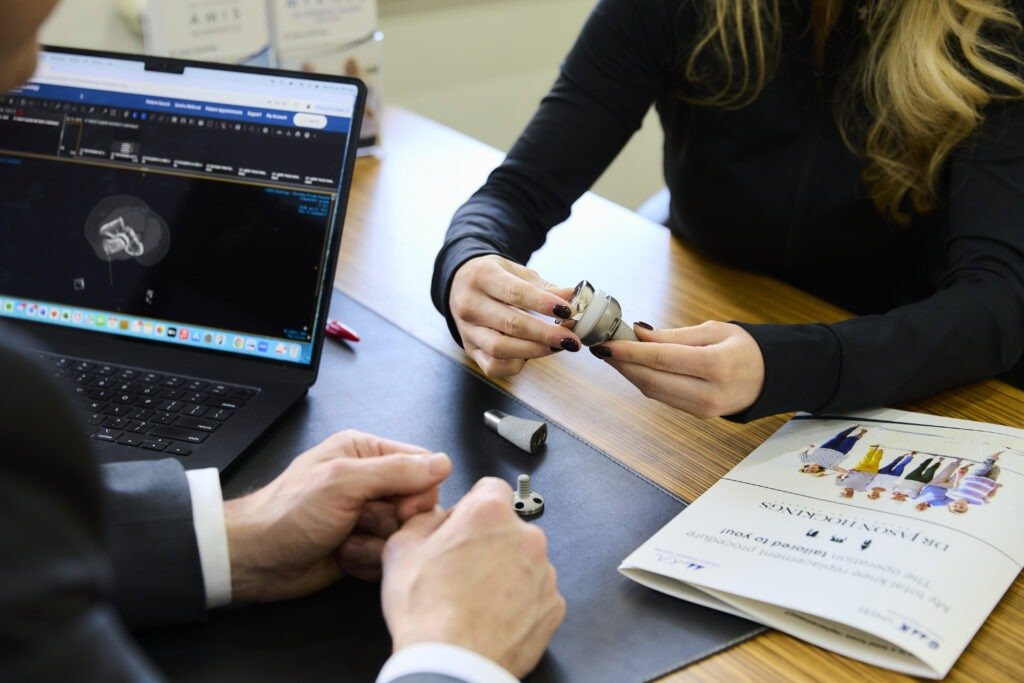
The implants used in anatomical shoulder replacement include:

Dr Hockings selects implant systems that offer:
What are the potential risks of shoulder replacement surgery?

As with any major joint surgery, risks may include:
Dr Hockings will discuss these risks with you during the consent process and take steps to minimise complications through careful planning and post-operative care.

What to expect before, during, and after anatomic shoulder replacement surgery

Before surgery:
During surgery:
After surgery:

Pain management after shoulder replacement: what you can expect

Dr Hockings uses a multimodal pain management strategy including:
These methods help you stay comfortable and able to begin early rehabilitation.
Shoulder replacement Arm Sling Melbourne

Your recovery timeline after anatomic shoulder replacement surgery

Your individual progress will depend on factors such as the underlying condition, surgical findings, and your adherence to physiotherapy.
Returning to work, sport, and daily life after anatomic shoulder replacement arthroplasty

Most patients return to:
Heavy lifting or overhead sports may require longer recovery or may be discouraged depending on your situation.

Frequently asked questions about anatomic shoulder replacement

If you’re experiencing ongoing pain, stiffness, or reduced movement that is affecting your daily activities or quality of life, a thorough orthopaedic assessment can help determine the cause and guide the most appropriate treatment options for your situation.