- SPECIALIST ORTHOPAEDIC SURGEON | MELBOURNE, VIC | ALBURY, NSW | MORNINGTON, VIC |
- 03 9421 6133
- Melbourne & Mornington VIC |
- Albury, NSW
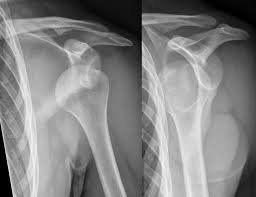
Shoulder instability occurs when the structures that support your shoulder joint, including the labrum, ligaments, and surrounding muscles become weakened, stretched, or torn. This can result in the ball of the shoulder (humeral head) moving excessively within its socket (glenoid), causing a sensation of looseness, slipping, or, in more severe cases, a full dislocation.
Shoulder dislocation happens when the ball completely comes out of the socket, usually following trauma. Some people may go on to develop chronic instability, where the shoulder repeatedly subluxes (partially slips out) or dislocates with certain movements or during sports.
Shoulder stabilisation aims to restore joint stability by repairing or reconstructing the damaged soft tissue structures that keep the shoulder in place.
Dr Jason Hockings typically performs arthroscopic shoulder stabilisation, a minimally invasive procedure using small incisions and a camera-guided instrument (arthroscope).
In more complex cases, open procedures or bone block techniques (e.g. Latarjet) may be considered, particularly when bone loss is present.
You’ll wear a sling for several weeks to protect the repair. Physiotherapy begins gradually with passive movements, followed by active strengthening from 6–12 weeks. Return to contact sport is typically delayed for 4–6 months, depending on your progress.
As with any surgery, there are risks such as infection, stiffness, nerve injury, or recurrence of instability. Dr Hockings will discuss these with you during your consultation.
If you’re experiencing ongoing pain, stiffness, or reduced movement that is affecting your daily activities or quality of life, a thorough orthopaedic assessment can help determine the cause and guide the most appropriate treatment options for your situation.