- SPECIALIST ORTHOPAEDIC SURGEON | MELBOURNE, VIC | ALBURY, NSW | MORNINGTON, VIC |
- 03 9421 6133
- Melbourne & Mornington VIC |
- Albury, NSW
Shoulder arthritis refers to the gradual wearing down of the cartilage that lines the ball-and-socket joint of the shoulder. As this protective cartilage deteriorates, the bones of the joint begin to rub against each other, leading to pain, stiffness, swelling, and reduced function. Over time, the condition can significantly interfere with daily activities, such as reaching overhead, lifting, dressing, or sleeping comfortably.
There are several types of arthritis that can affect the shoulder, but the two most common are:
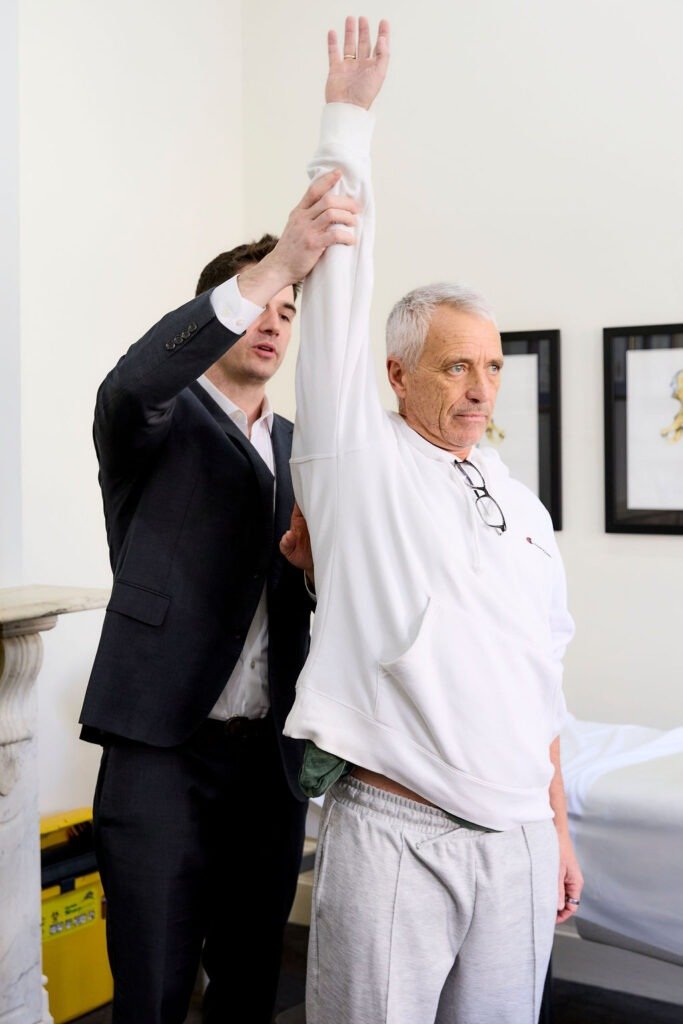
Less commonly, shoulder arthritis may result from previous trauma (post-traumatic arthritis), inflammatory conditions (such as rheumatoid arthritis), or avascular necrosis (loss of blood supply to the bone).
Dr Jason Hockings provides comprehensive assessment and tailored treatment options for shoulder arthritis, with a focus on preserving function, relieving pain, and improving your quality of life. Whether through non-operative care or joint replacement surgery, treatment is personalised to your condition, goals, and activity level.
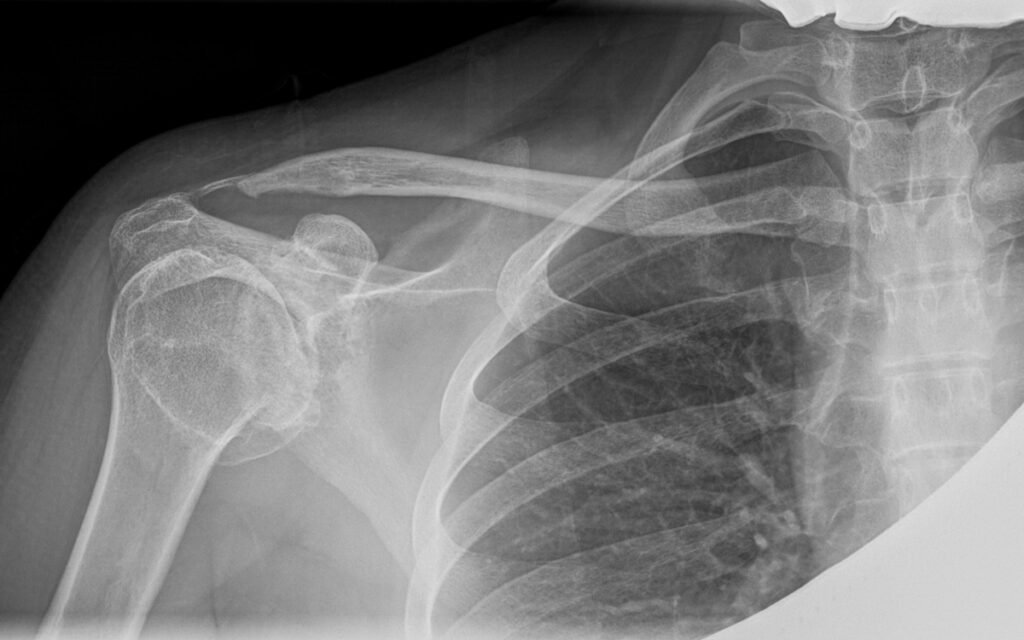
Not all cases of shoulder arthritis require surgery. In early or moderate stages, non-operative treatments may effectively relieve symptoms and support joint function. These may include:
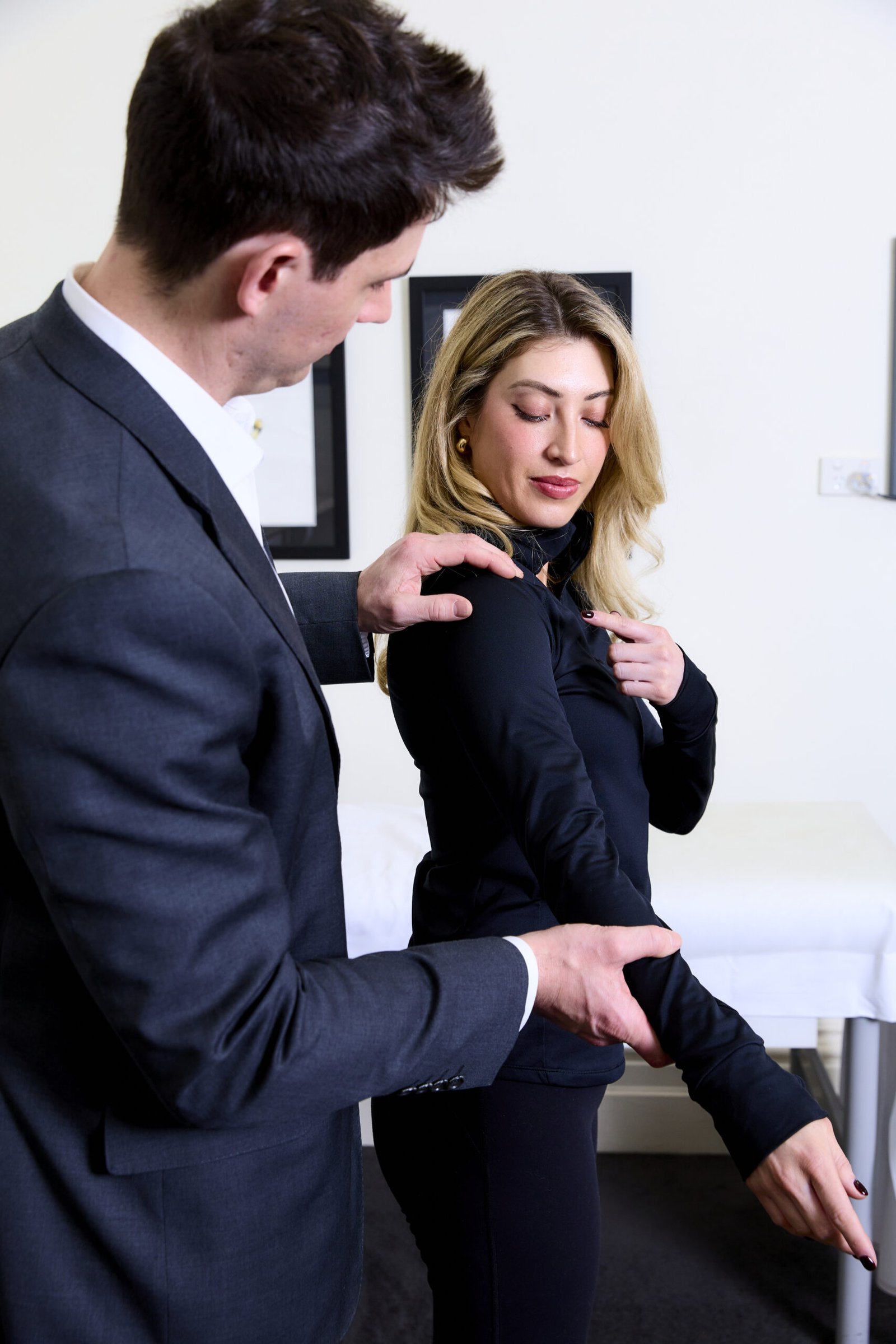
If you’re experiencing ongoing pain, stiffness, or reduced movement that is affecting your daily activities or quality of life, a thorough orthopaedic assessment can help determine the cause and guide the most appropriate treatment options for your situation.