- SPECIALIST ORTHOPAEDIC SURGEON | MELBOURNE, VIC | ALBURY, NSW | MORNINGTON, VIC |
- 03 9421 6133
- Melbourne & Mornington VIC |
- Albury, NSW
The meniscus is a C-shaped cartilage structure located between the thighbone (femur) and shinbone (tibia) in each knee. You have two menisci in each knee: the medial (inner) and lateral (outer). These structures play a vital role in absorbing shock, distributing weight, stabilising the joint, and protecting the smooth cartilage surfaces.
A torn meniscus can cause pain, swelling, locking, or a catching sensation in the knee. If left untreated, it may lead to ongoing dysfunction and contribute to early joint degeneration. Dr Jason Hockings performs arthroscopic meniscus repair to restore the function of this crucial structure, particularly in younger, active individuals or those who wish to preserve their native knee for the long term.
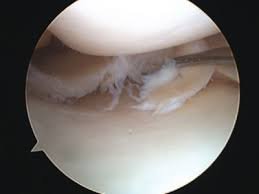
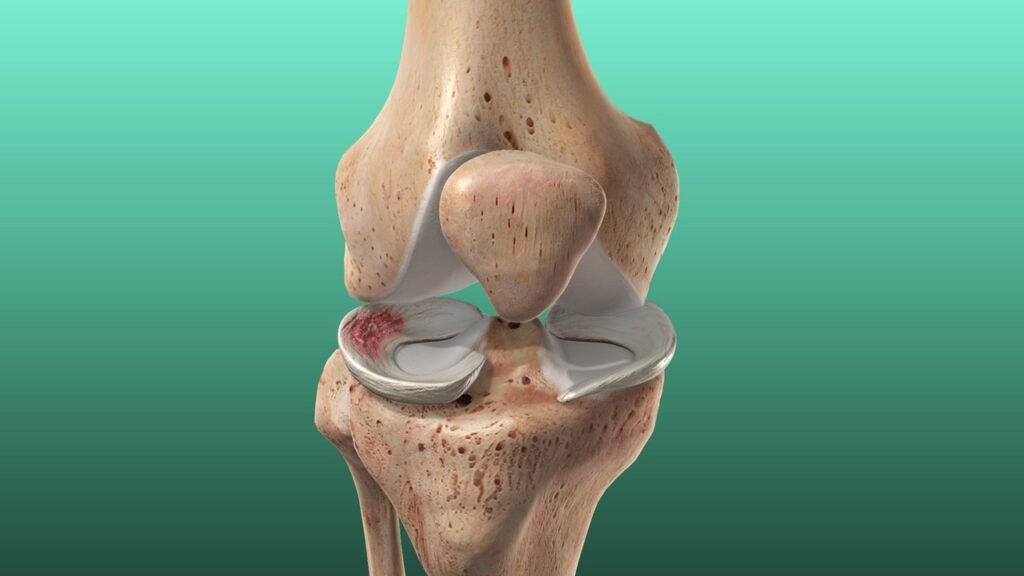
Meniscus injuries often occur due to twisting movements, deep bending, or direct trauma, frequently during sporting activities. In older individuals, tears may arise more gradually due to wear and degeneration.
Meniscus repair is usually performed as an arthroscopic (keyhole) day procedure under general or spinal anaesthesia. Dr Hockings inserts a small camera (arthroscope) and specialised surgical instruments through tiny incisions in the knee to visualise and treat the tear.
The damaged edges of the meniscus are carefully prepared, and sutures or absorbable fixation devices (such as arrows or anchors) are used to hold the tissue in place while it heals. Preserving the meniscus, where possible, helps protect the long-term health and stability of your knee joint.
The procedure usually takes under an hour, and most patients return home the same day.
Not all meniscal tears are repairable. Factors such as tear pattern, blood supply, tissue quality, and overall joint health will influence whether repair is recommended.
Dr Jason Hockings will perform a thorough clinical examination, review your imaging, and discuss your goals to help determine the best treatment pathway, whether that involves repair or another option such as partial meniscectomy.

If you’re experiencing ongoing pain, stiffness, or reduced movement that is affecting your daily activities or quality of life, a thorough orthopaedic assessment can help determine the cause and guide the most appropriate treatment options for your situation.