Failed knee replacement

Understanding what can go wrong after a knee replacement and how revision surgery may help restore comfort and function

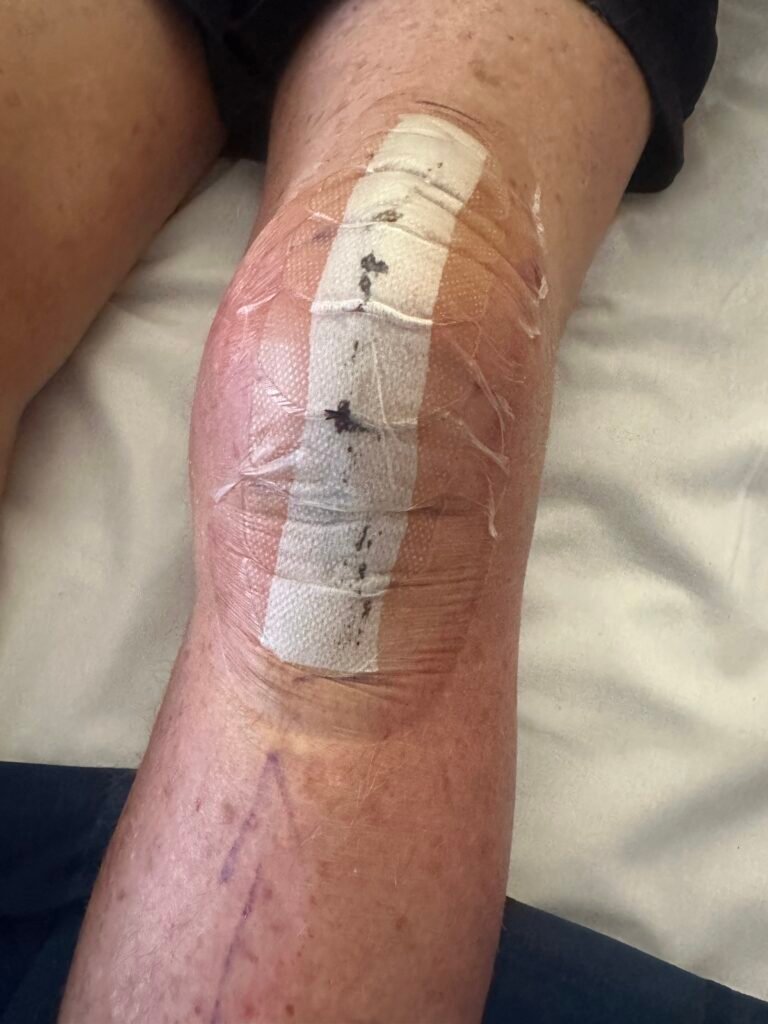
Knee replacement surgery is generally a successful and long-lasting solution for relieving pain and restoring mobility in patients with severe knee arthritis. However, in some cases, a knee replacement may become painful, unstable, or fail to function as intended. This is known as a failed or problematic knee replacement and may require further investigation or revision surgery.

Symptoms may arise months or years after the original operation and can significantly affect quality of life. While most knee replacements last 15–20 years or longer, failure can occur due to implant wear, loosening, infection, instability, or other mechanical problems.
img 0024 (1)

This page explains the common signs, causes, and treatment options for a failed knee replacement, including when revision knee surgery may be considered.
According to the Australian Orthopaedic Association National Joint Replacement Registry (AOANJRR), approximately 5% of primary total knee replacements require revision within ten years.

Symptoms of a failed knee replacement

If you’ve previously undergone knee replacement surgery and are now experiencing ongoing symptoms, it may indicate a problem with the implant. Common symptoms include:
These symptoms may develop gradually or suddenly and should always be reviewed by an experienced orthopaedic surgeon like Dr Hockings.

What can cause a knee replacement to fail?

There are several possible reasons a knee replacement may not function as expected. These may include:

Dr Jason Hockings will conduct a detailed assessment, including X-rays, blood tests, and possibly advanced imaging or joint aspiration, to determine the specific cause.

How is a failed knee replacement diagnosed?

Diagnosis involves a comprehensive clinical and radiological review. This may include:
Accurate diagnosis is critical to guide the right treatment pathway, especially if revision surgery is being considered.

Non-surgical treatment options

Treatment will depend on the underlying cause, severity of symptoms, and overall health. If symptoms are mild or related to soft tissue problems (not implant failure), management may include:
If, however, the implant is loose, worn, infected, or otherwise compromised, non-surgical treatments are unlikely to be effective long-term.
If the knee replacement has failed due to mechanical wear, infection, instability, or loosening, revision surgery may be required. Revision knee replacement involves removing part or all of the original implant and replacing it with new components. This procedure is more complex than the initial surgery and requires specialised planning and surgical experti
Dr Jason Hockings uses modern revision techniques tailored to the patient’s anatomy and the reason for failure. Revision surgery may involve:
In cases of infection, surgery is typically staged:
Many patients experience significant relief of pain and improved function following revision knee surgery however, outcomes may depend on the cause of failure, bone quality, and overall health.
Dr Hockings will carefully explain the potential benefits, limitations, and risks, including:
With appropriate evaluation and surgical technique, revision knee replacement can help restore stability, reduce pain, and improve mobility in patients with a failed knee replacement.
img 0019

If you’re experiencing ongoing pain, stiffness, or reduced movement that is affecting your daily activities or quality of life, a thorough orthopaedic assessment can help determine the cause and guide the most appropriate treatment options for your situation.