ACL Injury

A tear or sprain of the anterior cruciate ligament (ACL), often causing knee instability, pain, and swelling.

The anterior cruciate ligament (ACL) is one of the key stabilising ligaments in your knee. It connects the femur (thigh bone) to the tibia (shin bone) and plays a critical role in controlling forward movement and rotation of the knee joint, particularly during pivoting, jumping, or rapid directional changes.

ACL injuries are common among athletes and active individuals, particularly in sports that involve sudden stops, twisting motions, or collisions (such as soccer, netball, football, or skiing). These injuries can range from a mild sprain to a complete rupture and often result in significant knee instability, swelling, and reduced function.
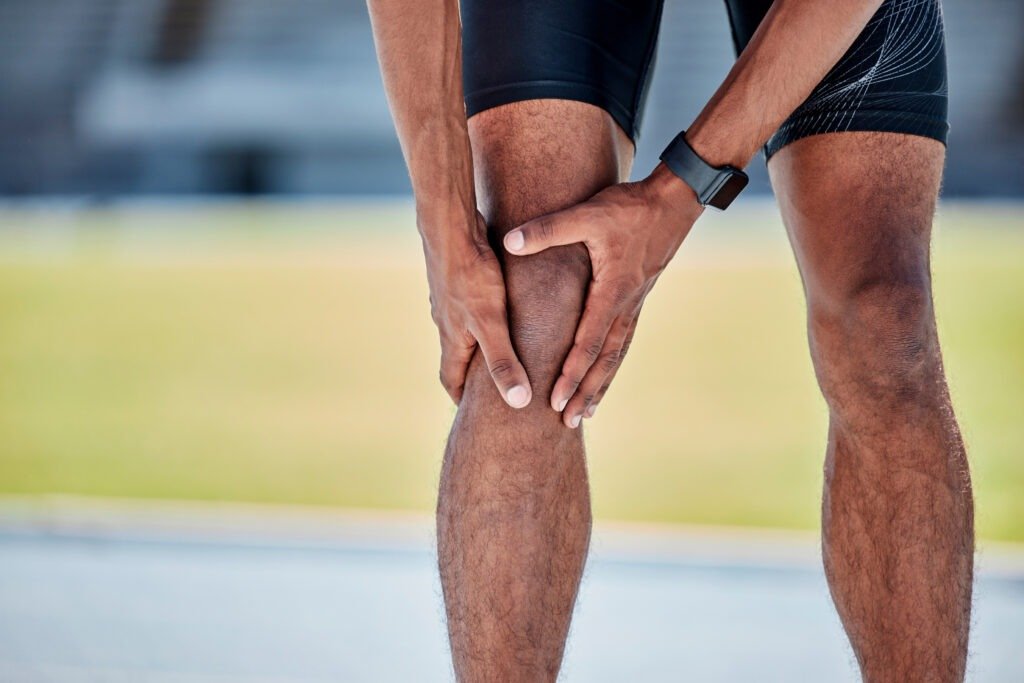
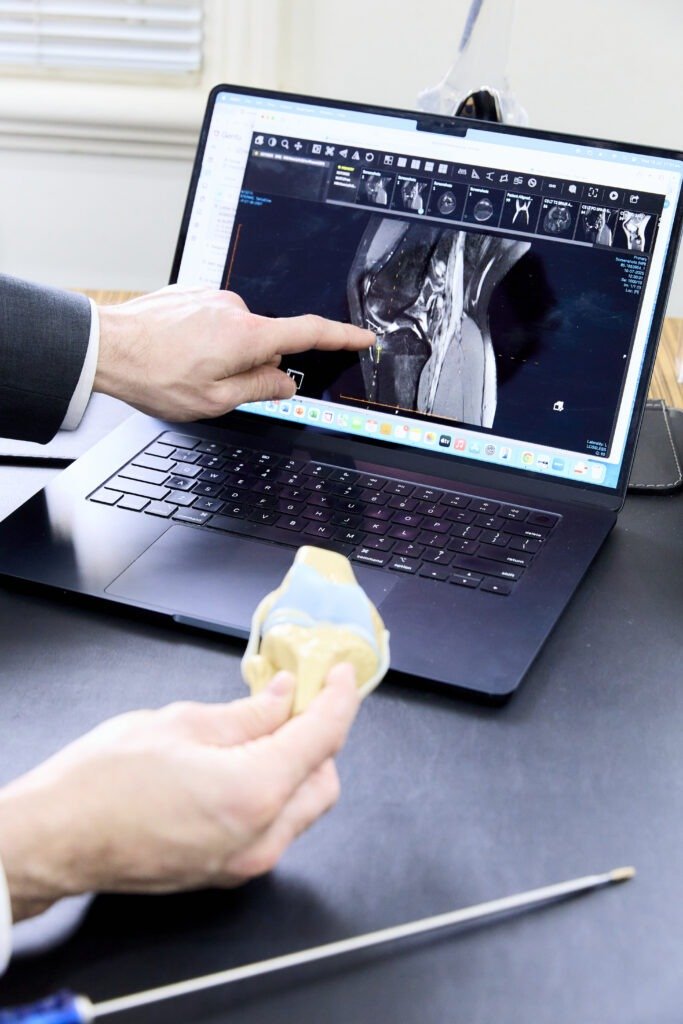
runner knee injury pain legs field track sports training workout exercise black man sport knee pain emergency running health wellness muscle development outdoor
This page provides comprehensive information to help you understand what an ACL injury involves, how it’s diagnosed, and the different treatment pathways available based on your activity level, symptoms, and future goals.

A study of 228,344 knee injuries in Australian hospitals over 20 years found a 10.4% annual increase in ACL injuries among females aged 5-14 years.

250716 drjasonhockings 2m9a0254 (1)

What is an ACL injury?

An ACL injury refers to a sprain or tear of the anterior cruciate ligament, typically caused by a non-contact mechanism (such as sudden deceleration or pivoting), although it may also occur during direct impact to the knee. There are three main grades of ACL injury:
ACL injuries may occur in isolation or in combination with other injuries such as:

Common symptoms of an ACL injury

Patients with an ACL injury may experience:

How is an ACL injury diagnosed?

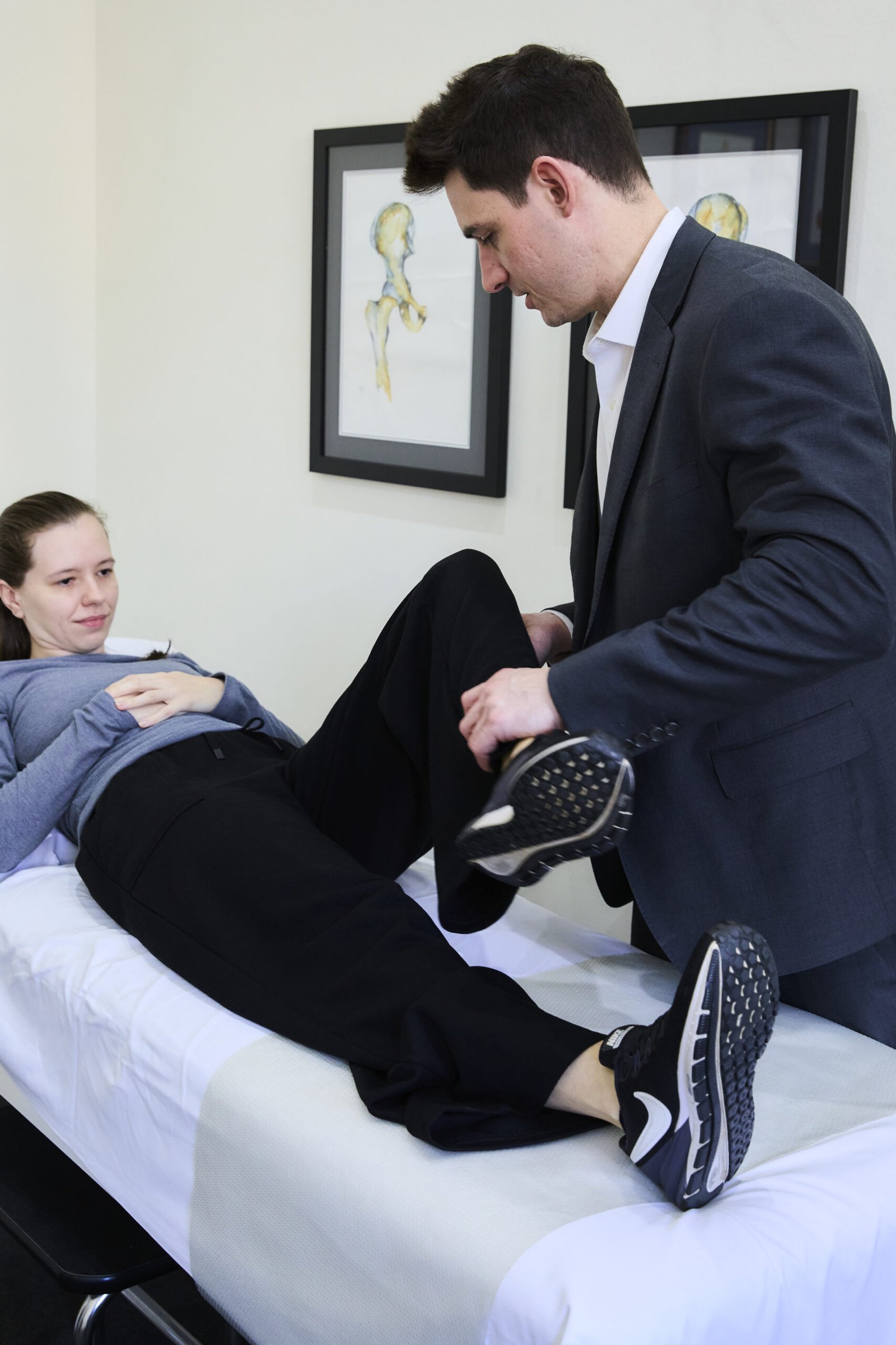
Diagnosis involves a combination of clinical examination and imaging studies. Dr Hockings will review your injury history, symptoms, and mechanism of injury before performing specific physical tests to assess knee stability.
Common diagnostic tools include:
A comprehensive diagnosis helps guide the decision between non-surgical rehabilitation or surgical reconstruction

Non-surgical treatment options

Non-operative management may be suitable for patients with partial ACL tears, lower activity demands, or those not involved in pivoting sports. This approach focuses on:
Not all ACL injuries require surgery. Some individuals can return to daily life and even non-pivoting sports with structured rehabilitation alone. This depends however on your lifestyle, knee stability, and future goals.

When is ACL reconstruction recommended?

Surgical reconstruction is generally recommended if:
Delaying surgery in unstable knees may increase the risk of further joint damage over time.

ACL reconstruction involves removing the torn ligament and replacing it with a graft to restore stability. Dr Jason Hockings performs ACL surgery using modern, minimally invasive arthroscopic techniques.
Graft options may include:
The graft is carefully positioned and fixed within bone tunnels drilled in the femur and tibia. The surgical goal is to restore knee stability while preserving normal biomechanics and function.
ACL reconstruction recovery involves a structured rehabilitation program tailored to your specific graft, procedure, and lifestyle. Key recovery phases include:
Successful outcomes depend on adherence to rehabilitation, good surgical technique, and appropriate timing for return to sport and w appropriate treatment and rehabilitation, most patients regain full function and return to physical activity after ACL injury.
250716 drjasonhockings 2m9a9790

If you’re experiencing ongoing pain, stiffness, or reduced movement that is affecting your daily activities or quality of life, a thorough orthopaedic assessment can help determine the cause and guide the most appropriate treatment options for your situation.