- SPECIALIST ORTHOPAEDIC SURGEON | MELBOURNE, VIC | ALBURY, NSW | MORNINGTON, VIC |
- 03 9421 6133
- Melbourne & Mornington VIC |
- Albury, NSW
Knee osteoarthritis is a common condition that occurs when the smooth, protective cartilage lining the surfaces of the knee joint gradually wears down. As this cartilage deteriorates, the bones in the joint may begin to rub against each other, causing pain, stiffness, swelling, and difficulty with everyday activities like walking, climbing stairs, or getting up from a chair.
While knee osteoarthritis is more common in people over the age of 50, it can also affect younger individuals, particularly those with a history of knee injury, repetitive joint stress, or underlying joint abnormalities. The condition often develops slowly over time and may progressively limit your ability to move comfortably or stay active. Although there is no cure for osteoarthritis, a combination of non-surgical and surgical treatments may help relieve symptoms, improve mobility, and support long-term knee function.
This page explains what knee osteoarthritis is, how it’s diagnosed, and the treatment options that may be available to help manage your condition.
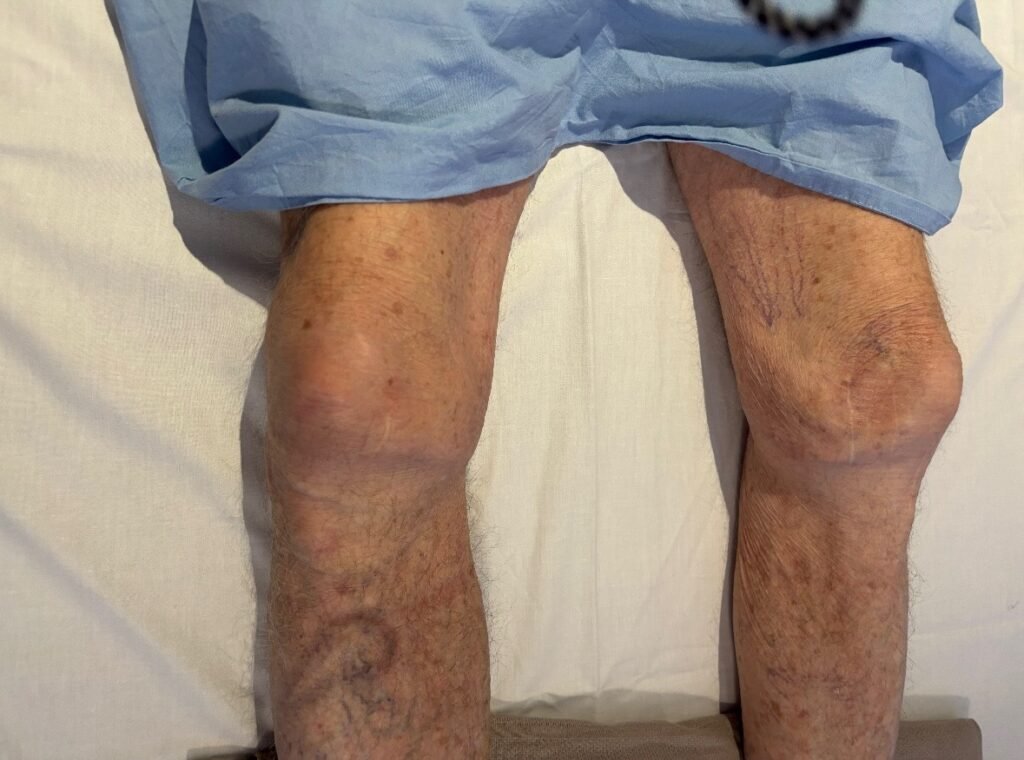
Knee osteoarthritis is a degenerative joint condition that occurs when the cartilage covering the ends of the femur (thigh bone), tibia (shin bone), and underside of the patella (kneecap) becomes worn. This cartilage helps cushion the joint and allows smooth, pain-free movement. As it wears away, the joint space narrows, inflammation increases, and bone-on-bone contact may occur, resulting in pain, stiffness, swelling, and joint damage over time.
Knee osteoarthritis can affect one or both knees and may involve different parts of the joint, including the medial (inner), lateral (outer), and patellofemoral (kneecap) compartments.
Knee osteoarthritis may develop for a number of reasons, often as a result of gradual wear and tear. Contributing factors may include:
Dr Hockings will assess the likely contributing factors in your case as part of a personalised treatment plan.
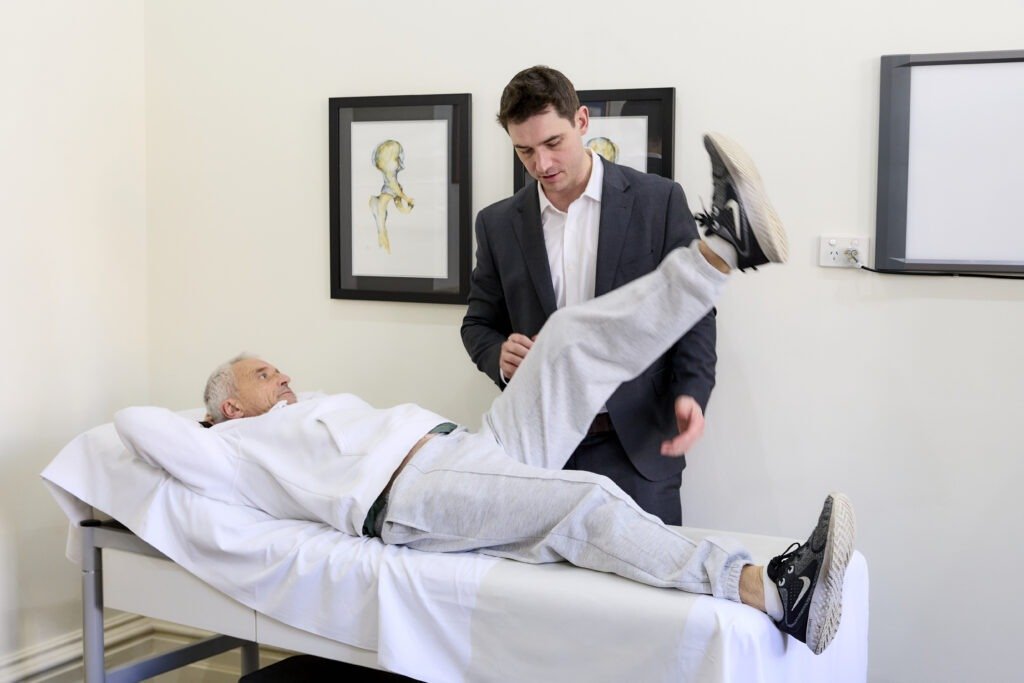
Diagnosis begins with a detailed clinical assessment, including a review of your symptoms, medical history, and physical examination. Dr Jason Hockings will assess your knee’s range of motion, stability, swelling, and areas of tenderness.
Imaging tests may include:
This information helps determine the severity of your condition and identify the most suitable treatment approach.

In the early stages of knee osteoarthritis, symptoms may be managed effectively with non-surgical strategies. These may include:
To strengthen surrounding muscles and maintain joint mobility.
To avoid aggravating joint stress.
Such as paracetamol or non-steroidal anti-inflammatory drugs (NSAIDs), if suitable.
Where appropriate, to reduce pressure on the knee joint.
Such as a cane, to improve stability and reduce discomfort.
Including corticosteroid or hyaluronic acid (viscosupplementation) injections, which may help reduce inflammation or lubricate the joint.
A procedure that may help relieve chronic knee pain by targeting the sensory nerves responsible for transmitting pain signals from the joint. RFA may be considered for patients who continue to experience significant discomfort despite other non-surgical treatments and are not yet ready for joint replacement surgery.
Dr Hockings will assess your symptoms, imaging, and overall health to recommend the most suitable combination of therapies. These approaches aim to relieve pain, maintain function, and potentially delay the need for surgery.
For patients with moderate to severe knee osteoarthritis that no longer responds to non-surgical care, knee replacement surgery (knee arthroplasty) may offer effective and lasting relief. The procedure involves replacing worn-out joint surfaces with prosthetic components to reduce pain and restore mobility. Dr Hockings performs both partial and total knee replacement procedures, tailoring the surgical approach to each patient’s specific condition.
When arthritis affects multiple areas of the knee or is more advanced, a total knee replacement may be recommended. This involves resurfacing the ends of the femur and tibia (thigh and shin bones) and, if needed, the underside of the kneecap with prosthetic implants designed to restore smooth joint function.

If you’re experiencing ongoing pain, stiffness, or reduced movement that is affecting your daily activities or quality of life, a thorough orthopaedic assessment can help determine the cause and guide the most appropriate treatment options for your situation.