- SPECIALIST ORTHOPAEDIC SURGEON | MELBOURNE, VIC | ALBURY, NSW | MORNINGTON, VIC |
- 03 9421 6133
- Melbourne & Mornington VIC |
- Albury, NSW
Pain over the outside of the hip is commonly called trochanteric bursitis. However, persistent lateral hip pain is often more complex than inflammation of a single bursa. The broader term greater trochanteric pain syndrome (GTPS) includes irritation of the trochanteric bursa, gluteus medius or minimus tendinopathy, partial tendon tearing and compression beneath the iliotibial band.
Most people improve with appropriate non-surgical treatment. In a smaller group, pain remains significant despite physiotherapy, activity modification, medication and injections. This is known as refractory greater trochanteric pain syndrome.
For carefully selected patients, minimally invasive surgery may be considered to address several potential sources of pain during the same procedure.
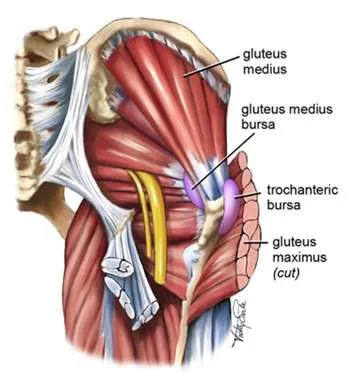
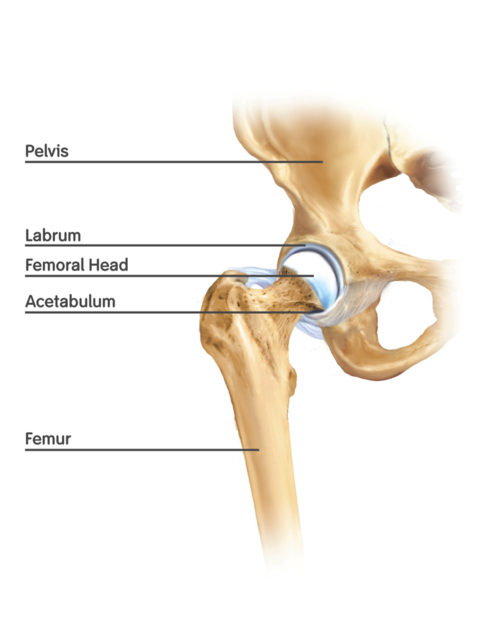
The greater trochanter is the prominent bone on the outside of the upper femur. Several important structures pass over or attach to this area:
Although the condition has traditionally been called trochanteric bursitis, gluteal tendon degeneration or partial tearing is frequently an important contributor.
Pain arising from the lower back, hip arthritis and other conditions can sometimes produce similar symptoms. Establishing the correct source of pain is therefore important before treatment is recommended.
Greater trochanteric pain syndrome usually develops through a combination of tendon overload and compression. Contributing factors may include:
Imaging abnormalities do not always cause symptoms. Any ultrasound or MRI findings must therefore be interpreted alongside the location of the pain and the physical examination.
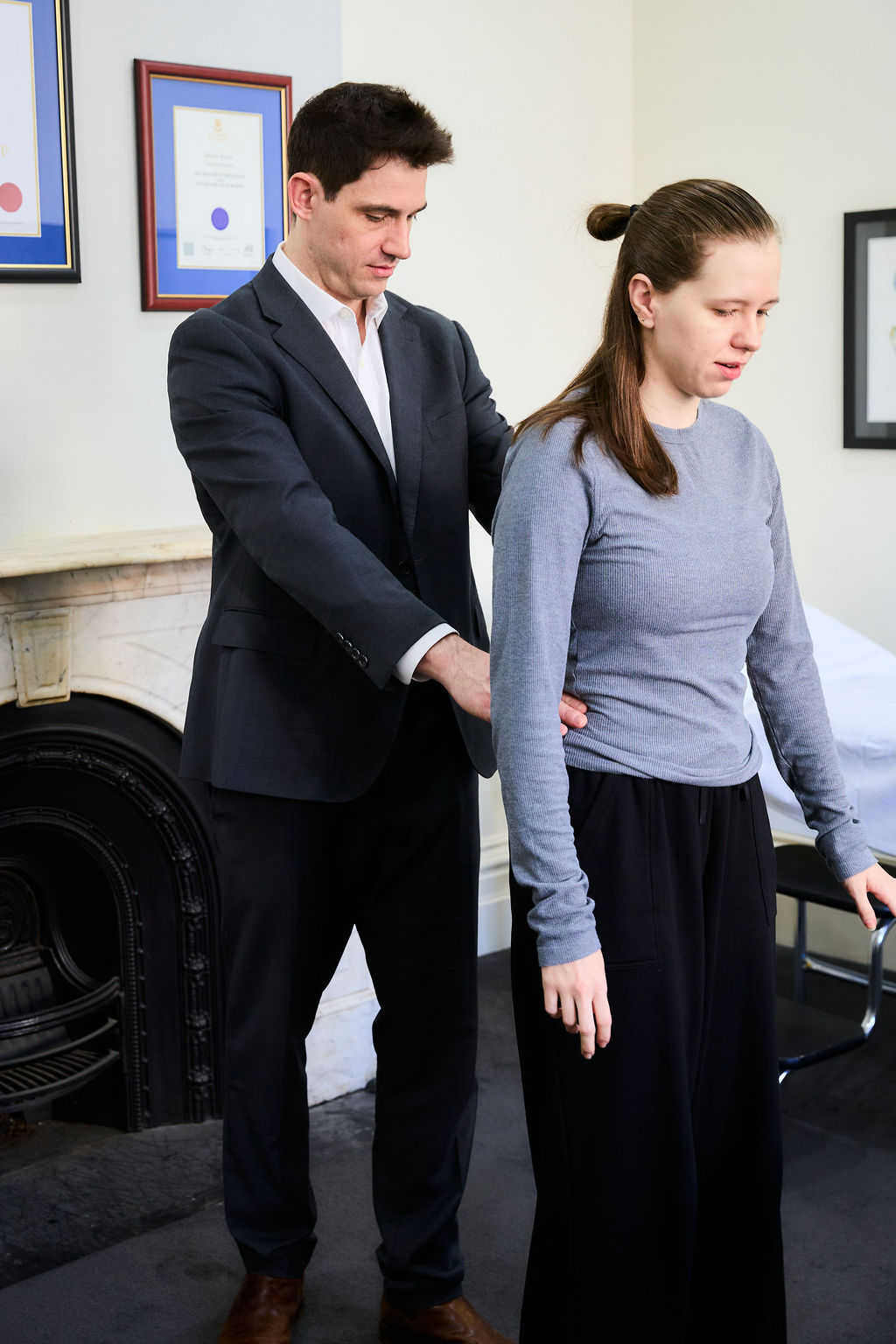
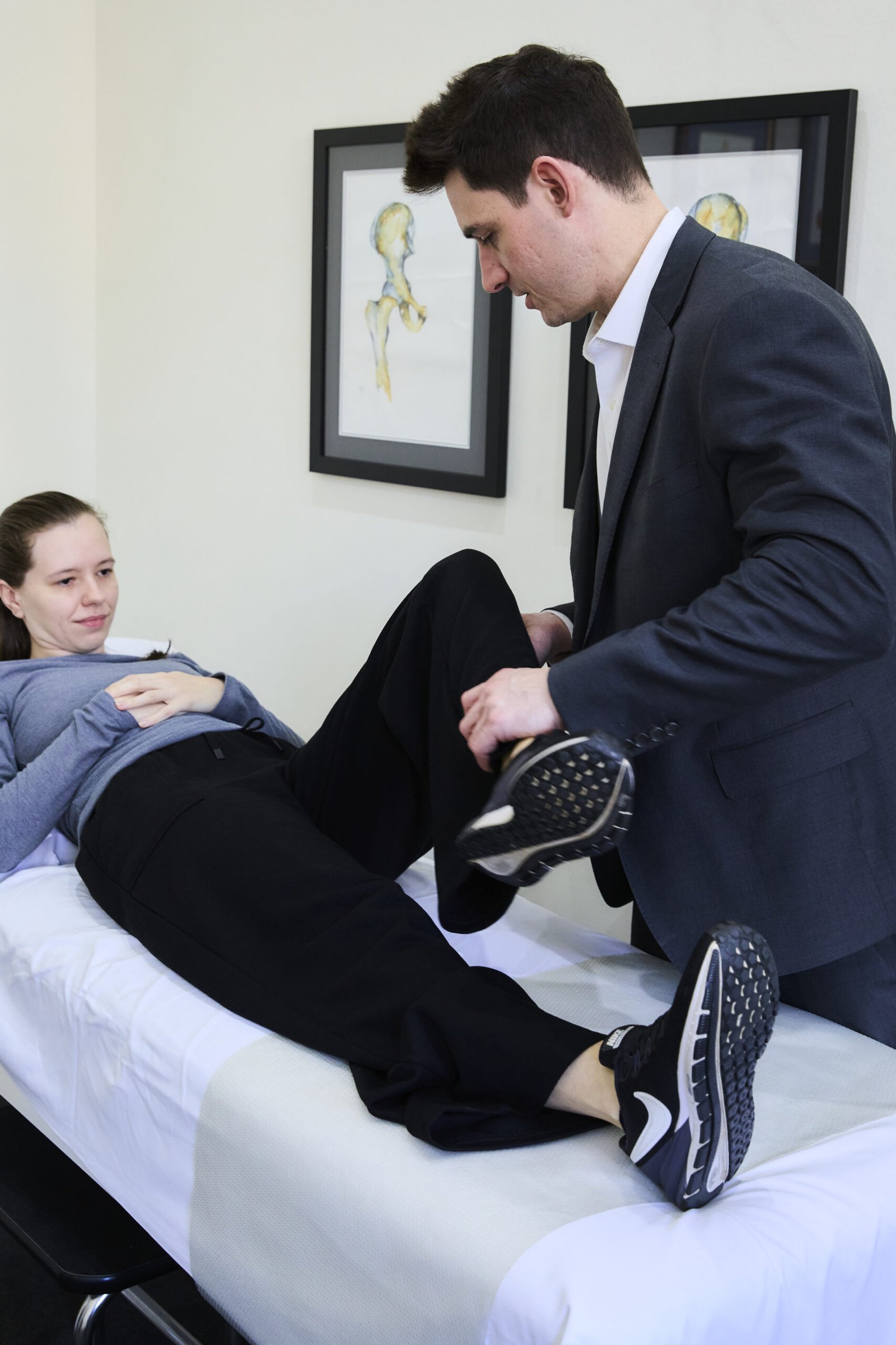
Diagnosis begins with a detailed history and examination. Dr Jason Hockings will assess the location of your pain, hip movement, gluteal strength, walking pattern and response to specific clinical tests.
Non-surgical treatment remains the first step for most patients. A structured program of education, load management and targeted exercise has good evidence for gluteal tendinopathy.
Treatment may include:
The most suitable treatment depends on the diagnosis, duration of symptoms, tendon condition and treatments already attempted.
Surgery is generally reserved for patients with persistent, function-limiting symptoms despite an appropriate course of non-operative treatment.
Factors considered include:
Not every patient with lateral hip pain will benefit from surgery. Dr Hockings will discuss whether the findings suggest a surgically treatable problem and whether the likely benefits justify the risks.
This operation is performed through several small incisions around the outside of the hip. Although commonly described as hip arthroscopy, much of the procedure is performed in the peritrochanteric space, outside the hip joint itself. Depending on the findings and individual circumstances, treatment may include the following components.
A controlled lengthening or release of the iliotibial band is performed over the greater trochanter. The aim is to reduce excessive tension and compression over the underlying bursa and gluteal tendons while preserving the important overall function of the iliotibial band.
Thickened and inflamed bursal tissue is removed arthroscopically. This creates space around the greater trochanter and allows the gluteal tendons to be carefully inspected. Removing the bursa also enables treatment of other abnormalities that may be hidden beneath inflamed tissue.
TOPAZ radiofrequency microtenotomy, sometimes called radiofrequency microdebridement, may be used for degenerative gluteal tendinopathy or selected partial-thickness tendon damage.
A specialised probe creates a series of small treatment points within the abnormal tendon. This is intended to stimulate a local healing response while avoiding the need to remove or detach the whole tendon.
The evidence for TOPAZ treatment of gluteal tendinopathy remains limited. A small randomised trial found improvement following arthroscopic bursectomy and IT band release both with and without radiofrequency microdebridement, but did not demonstrate a statistically significant additional benefit from the radiofrequency treatment itself. It should therefore be regarded as a potential adjunct rather than a guaranteed source of additional improvement.
Small sensory nerve branches supply the tissues surrounding the greater trochanter. In some patients with longstanding pain, these nerves may continue to transmit pain signals even after the original tissue irritation has become chronic.
Cooled radiofrequency ablation, sometimes referred to by the product name Coolief, uses controlled radiofrequency energy to treat selected sensory branches supplying the greater trochanter. The objective is to reduce pain transmission while avoiding the major motor nerves controlling the gluteal muscles.
Early case-series evidence is encouraging, but this remains an evolving application with limited high-quality long-term evidence. The potential role, uncertainties and alternatives should be discussed for each patient.
A specialised probe creates a series of small treatment points within the abnormal tendon. This is intended to stimulate a local healing response while avoiding the need to remove or detach the whole tendon.
The evidence for TOPAZ treatment of gluteal tendinopathy remains limited. A small randomised trial found improvement following arthroscopic bursectomy and IT band release both with and without radiofrequency microdebridement, but did not demonstrate a statistically significant additional benefit from the radiofrequency treatment itself. It should therefore be regarded as a potential adjunct rather than a guaranteed source of additional improvement.
Published studies report improvement in pain and function for many appropriately selected patients following endoscopic bursectomy and iliotibial band release. However, results vary and some patients continue to experience pain.
The evidence for the additional contribution of TOPAZ treatment and trochanteric sensory nerve ablation is less mature than the evidence for the underlying arthroscopic decompression procedure.
Factors that may influence recovery include:
Surgery cannot guarantee complete resolution of pain.
Most patients can return home on the day of surgery or after an overnight stay, depending on their health and individual circumstances. In general:
A personalised rehabilitation program will be provided according to the exact procedure performed.
All surgery has potential risks. These may include:
Your individual risks and the alternatives to surgery will be discussed before a decision is made.
If pain over the outside of your hip is affecting sleep, walking or daily activity despite appropriate treatment, a detailed assessment can help clarify whether the problem arises from the bursa, gluteal tendons, iliotibial band, hip joint, lower back or another structure.
Treatment recommendations are tailored to the diagnosis, previous treatment and individual goals.
Contact Dr Jason Hockings
reception@drjasonhockings.com.au
(03) 9421 6133
If you’re experiencing ongoing pain, stiffness, or reduced movement that is affecting your daily activities or quality of life, a thorough orthopaedic assessment can help determine the cause and guide the most appropriate treatment options for your situation.