- SPECIALIST ORTHOPAEDIC SURGEON | MELBOURNE, VIC | ALBURY, NSW | MORNINGTON, VIC |
- 03 9421 6133
- Melbourne & Mornington VIC |
- Albury, NSW
The hamstring muscles run down the back of the thigh and help extend the hip, bend the knee and control the leg during walking, running and sport. At the top of the thigh, the hamstring tendons attach to the ischial tuberosity, sometimes described as the sitting bone.
A proximal hamstring tear occurs when one or more of these tendons are damaged or pulled away from the pelvis. Tears range from partial injuries that remain attached to complete avulsions in which the tendons retract away from the bone.
Many partial tears can be managed without surgery. Open proximal hamstring repair may be considered for a complete or substantially retracted tear, significant weakness or loss of function, persistent symptoms despite appropriate non-operative treatment, or chronic pain associated with tendon retraction or irritation around the sciatic nerve.
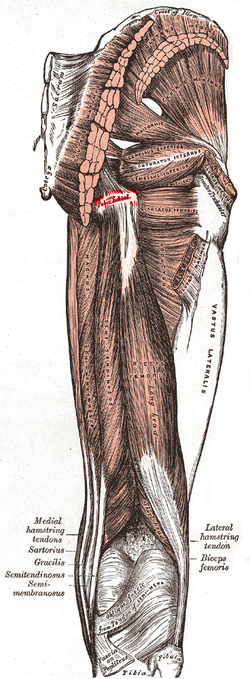
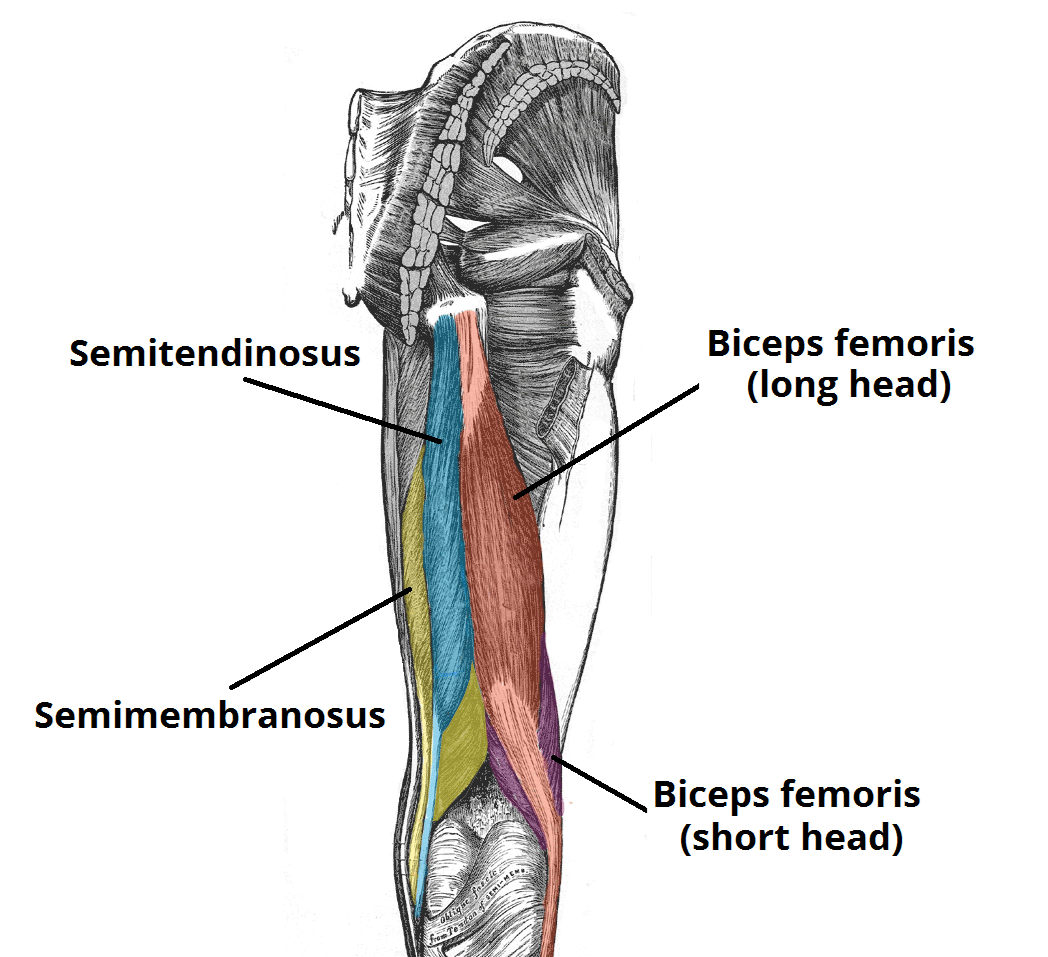
The proximal hamstring attachment includes the semimembranosus tendon and the joined attachment of the semitendinosus and biceps femoris tendons. Injury can affect one, two or all three tendons.
An acute avulsion often occurs when the hip is forcefully flexed while the knee is straightening, such as during slipping, sprinting, waterskiing, kicking or a sudden sporting movement. Chronic tears may follow an older injury that did not heal in an effective position or progressive partial tendon damage.
Diagnosis begins with a detailed history and examination. Dr Hockings will assess the site of pain and bruising, hamstring strength, walking pattern, nerve symptoms and the effect on daily activities or sport.
Investigations may include:
Non-surgical treatment is appropriate for many partial tears and some complete tears, depending on the number of tendons involved, retraction, strength, symptoms, age, activity goals and general health.
Treatment may include:
The decision is not based on the MRI alone. The pattern of injury must be considered together with weakness, pain, functional loss and the patient’s goals.
Open repair may be recommended when the likely functional benefit justifies the risks of surgery.
Factors commonly considered include:
Early specialist assessment is useful after a suspected complete avulsion because the tendons can retract and develop scar tissue. This does not mean that every tear requires urgent surgery; the appropriate timing is individualised.
The operation is performed through an incision beneath the buttock crease. The torn tendon ends are identified and mobilised, scar tissue is removed as required and the sciatic nerve is carefully protected. The attachment site on the ischial tuberosity is prepared and the tendons are secured back to the bone using strong sutures and surgical anchors.
In a chronic tear, the tendons may be more difficult to mobilise and the sciatic nerve may be surrounded by scar tissue. A nerve release or graft reinforcement may occasionally be required. Dr Hockings will discuss this if it is relevant to the MRI and operative plan.
Many appropriately selected patients obtain meaningful improvement in pain, strength and function after repair. Recovery varies, particularly between an early repair and a chronic retracted tear. Residual weakness, sitting discomfort or nerve symptoms can persist, and surgery cannot guarantee a return to the patient’s previous level of sport.
Factors that may influence recovery include the number of tendons involved, degree of retraction, time from injury, tissue and muscle quality, sciatic nerve symptoms, smoking, general health and participation in rehabilitation.
The repaired tendon needs time to heal securely back to the pelvis
Dr Hockings uses a protective initial rehabilitation phase:
Return to full activity commonly takes at least 6 months and may take 6 to 9 months or longer for demanding sport. The exact timeline depends on the injury, repair and progress against functional milestones.
All surgery has potential risks. These may include:
Your individual risks, expected recovery and alternatives will be discussed before surgery is recommended.
If you have experienced a sudden lower-buttock injury with extensive bruising or weakness, or have persistent pain when sitting and loading the hamstring, assessment can clarify which tendons are involved and whether non-operative treatment or repair is more appropriate.
Treatment recommendations are tailored to the injury pattern, timing, symptoms, work and sporting demands, and individual goals.
Contact Dr Jason Hockings
reception@drjasonhockings.com.au
(03) 9421 6133
If you’re experiencing ongoing pain, stiffness, or reduced movement that is affecting your daily activities or quality of life, a thorough orthopaedic assessment can help determine the cause and guide the most appropriate treatment options for your situation.